
Slow Down Your Speed Demon: The Best Food Dispensing Toys for Fast Eaters
Does your dog or cat inhale their food in mere seconds, leaving you wondering if they even tasted it? This speed eating isn't just a funny quirk; it can lead to serious health issues like bloat, indigestion, and even vomiting. Luckily, there's a playful and effective solution: food dispensing toys. These ingenious devices transform mealtime from a race against the clock into an engaging and mentally stimulating activity. Let’s explore the world of food dispensing toys and discover how they can benefit your furry friend.
Why Do Pets Eat So Fast?
Before diving into the solutions, it's helpful to understand why some pets are prone to scarfing down their food. Several factors can contribute to this behavior:
- Competition: In multi-pet households, the instinct to compete for resources can drive animals to eat as quickly as possible.
- Past Scarcity: Animals who have experienced food scarcity, whether in shelters or as strays, may develop a habit of eating quickly out of fear that the food will disappear.
- Boredom: Believe it or not, boredom can lead to faster eating. If mealtime is the most exciting part of their day, they may rush through it.
- Breed Predisposition: Some breeds are simply more prone to faster eating than others.
- Underlying Medical Conditions: In rare cases, increased appetite and rapid eating can be a sign of a medical condition like diabetes or hyperthyroidism. Always consult with your veterinarian if you notice a sudden change in your pet's eating habits.
The Dangers of Eating Too Quickly
Regardless of the reason, rapid eating can have serious repercussions for your pet's health:
- Bloat (Gastric Dilatation-Volvulus): This is a life-threatening condition, particularly common in large, deep-chested dogs, where the stomach fills with gas and twists on itself.
- Indigestion and Vomiting: Eating too fast can overwhelm the digestive system, leading to discomfort, regurgitation, and vomiting.
- Choking: Large chunks of food can become lodged in the throat, posing a choking hazard.
- Poor Nutrient Absorption: When food is swallowed quickly, it may not be properly broken down, hindering nutrient absorption.
- Weight Gain: Rapid eaters may not feel full until they've consumed a large amount of food, contributing to weight gain over time.
How Food Dispensing Toys Can Help
Food dispensing toys offer a simple yet effective way to combat fast eating by:
- Slowing Down Eating Speed: These toys require pets to work for their food, dispensing it in small portions as they play.
- Providing Mental Stimulation: Solving the puzzle of how to release the food engages their minds, preventing boredom and reducing anxiety.
- Encouraging Natural Foraging Behavior: Food dispensing toys tap into your pet's natural instincts to hunt and forage for food.
- Promoting Exercise: Many food dispensing toys encourage movement and play, helping to burn calories and maintain a healthy weight.
Types of Food Dispensing Toys for Fast Eaters
The market is brimming with food dispensing toys, each offering a unique approach to slowing down mealtime. Here's a breakdown of some popular options:
Puzzle Feeders
Puzzle feeders come in a variety of designs, from simple bowls with raised obstacles to complex interactive games. Your pet must manipulate the toy by pushing, sliding, or rotating components to reveal the hidden food.
Interactive Balls
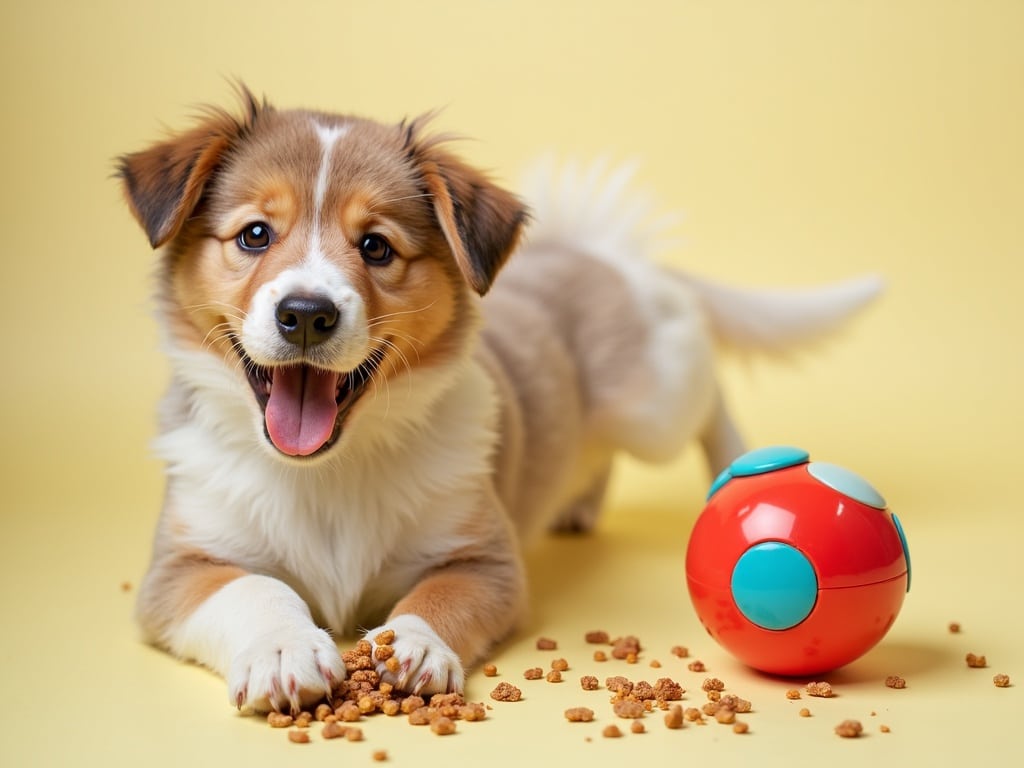
These toys dispense food as they are rolled around. Some have adjustable openings to control the flow of kibble, while others require more active participation from your pet to release the treats.
Lick Mats
Lick mats feature textured surfaces that encourage licking. Spread a soft food like yogurt, peanut butter (xylitol-free!), or wet food onto the mat, and your pet will spend a considerable amount of time licking it off.
Snuffle Mats
These mats consist of fabric strips where you can hide kibble or treats. Your pet will use their nose to snuffle through the fabric, searching for the hidden rewards. This is great for encouraging the natural foraging behavior.
Tug-a-Jug
This toy is usually a bottle attached to a rope. Food comes out as the bottle is tugged and shaken.
Choosing the Right Food Dispensing Toy
With so many options available, selecting the perfect food dispensing toy for your pet can feel overwhelming. Consider the following factors:
- Pet's Size and Breed: Choose a toy that is appropriately sized for your pet to prevent choking hazards. Smaller puzzle feeders might not be challenging enough for larger breeds, while larger toys could be too difficult for small dogs or cats.
- Pet's Personality and Temperament: Is your pet a gentle grazer or an enthusiastic chomper? Select a toy that matches their play style and chewing habits. For aggressive chewers, opt for durable toys made from sturdy materials like heavy-duty plastic or rubber.
- Difficulty Level: Start with a simple toy and gradually increase the difficulty as your pet becomes more proficient. You want to challenge them without causing frustration.
- Ease of Cleaning: Look for toys that are easy to disassemble and clean. Many food dispensing toys are dishwasher-safe, making cleanup a breeze.
- Food Compatibility: Consider the type of food you feed your pet. Some toys are better suited for kibble, while others can accommodate wet food or treats.
Tips for Introducing Food Dispensing Toys
To ensure a smooth transition to using food dispensing toys, follow these tips:
- Start Slowly: Introduce the toy during a supervised playtime session, rather than replacing their regular bowl right away.
- Make it Easy at First: Initially, make it easy for your pet to access the food. As they become more comfortable, gradually increase the difficulty.
- Use High-Value Treats: Entice your pet with their favorite treats to pique their interest and motivate them to play.
- Be Patient: It may take some time for your pet to understand how the toy works. Be patient and offer encouragement.
- Supervise Playtime: Always supervise your pet while they are using food dispensing toys to prevent them from chewing or swallowing pieces of the toy.
- Clean Regularly: Wash the toy frequently to prevent bacteria buildup.
DIY Food Dispensing Toys
If you're feeling crafty, you can even create your own food dispensing toys using common household items. Here are a couple of simple ideas:
DIY Snuffle Mat
Cut strips of fleece fabric and tie them onto a rubber mat or sink mat with holes. Hide kibble between the fleece strips for your pet to find.
DIY Puzzle Feeder
Cut holes in a plastic bottle and fill it with kibble. Let your pet roll the bottle around to release the food. Make sure to remove the cap and any sharp edges for safety. Always supervise your pet to ensure they don't chew or ingest pieces of the bottle.
Beyond Food: Other Uses for Dispensing Toys
While primarily designed for feeding, the versatility of dispensing toys extends to other behavioral enrichment purposes:
- Anxiety Reduction: The focused activity of working for food can distract anxious pets during stressful situations like thunderstorms or fireworks.
- Boredom Buster: For pets prone to boredom and destructive behavior, food dispensing toys provide a constructive outlet for their energy.
- Training Aid: Use dispensing as intermittent rewards during training sessions. The toy becomes a positive reinforcer.
A Happier, Healthier Mealtime
Food dispensing toys are more than just a fun way to feed your pet; they are a valuable tool for promoting better health, mental stimulation, and overall well-being. By slowing down their eating speed and encouraging natural foraging behaviors, you can help prevent a range of health problems and keep your furry friend happy and engaged at mealtime. So, ditch the traditional bowl and embrace the playful world of food dispensing toys – your pet will thank you for it!