
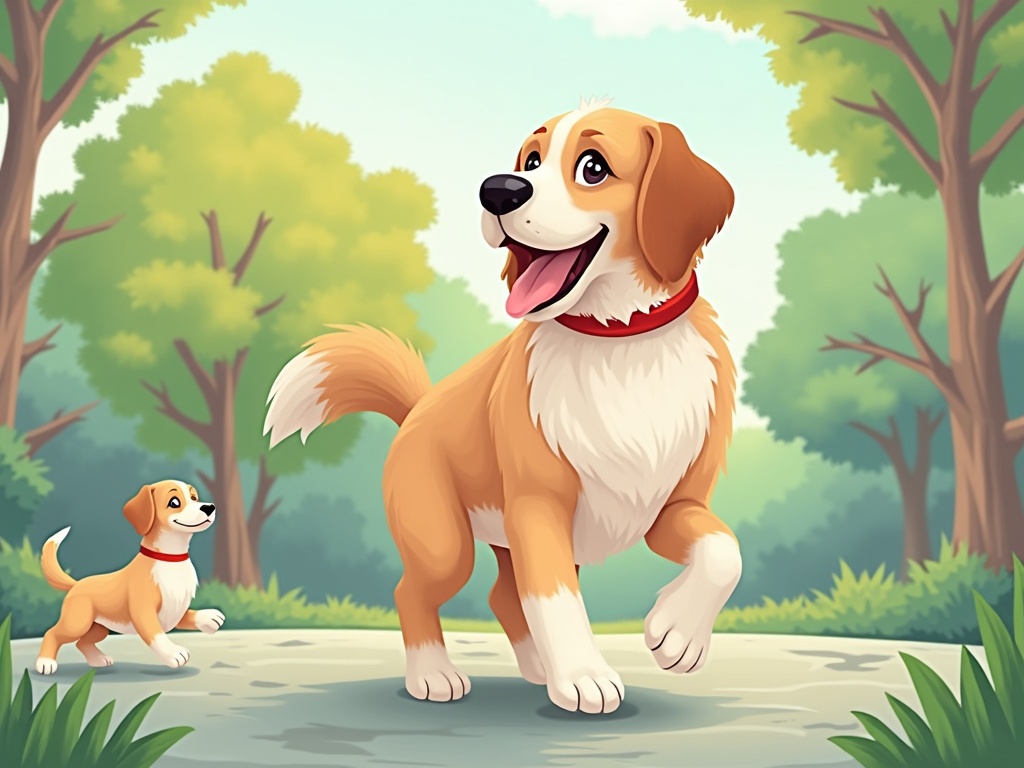
How Long Should I Walk My Dog Daily? A Comprehensive Guide
Ever wonder if you're walking your dog long enough? Or perhaps too much? It's a question that plagues many dog owners. After all, our canine companions rely on us for their physical and mental well-being, and daily walks play a crucial role. But the truth is, there's no one-size-fits-all answer. The ideal walk duration depends on a multitude of factors, from your dog's breed and age to their individual energy levels and overall health. Let's unravel the complexities of dog walking to ensure your furry friend gets the exercise they need without overdoing it.
Why Daily Walks Are Essential for Your Dog
Before diving into specific timeframes, let's understand why daily walks are so important for dogs:
- Physical Health: Walks help maintain a healthy weight, strengthen muscles and bones, and improve cardiovascular health.
- Mental Stimulation: Exploring new sights, sounds, and smells provides mental enrichment, preventing boredom and reducing destructive behaviors.
- Socialization: Walks offer opportunities to interact with other dogs and people, promoting good social skills.
- Bathroom Breaks: Regular walks provide consistent opportunities for your dog to relieve themselves, contributing to house training and hygiene.
- Bonding: Walking together strengthens the bond between you and your dog, fostering trust and companionship.
Factors That Influence Walk Duration
Several factors influence how long your dog should be walked daily:
Breed
Certain breeds are naturally more energetic and require longer, more intense exercise than others. For instance:
- High-Energy Breeds: Border Collies, Siberian Huskies, Australian Shepherds, and Labrador Retrievers typically need at least 60-90 minutes of exercise daily, often split into multiple walks.
- Medium-Energy Breeds: Beagles, Golden Retrievers, and Poodles generally require 30-60 minutes of walking per day.
- Low-Energy Breeds: Bulldogs, Shih Tzus, and French Bulldogs may only need 20-30 minutes of walking daily.
Age
A dog's age significantly impacts their exercise needs:
- Puppies: Puppies have boundless energy, but their developing joints and bones are susceptible to injury. Short, frequent walks (10-15 minutes, several times a day) are ideal. A general rule of thumb is 5 minutes of exercise per month of age, twice a day.
- Adult Dogs: Adult dogs, depending on their breed and health, can handle longer walks. Most benefit from at least 30 minutes of walking daily, with many thriving on 60 minutes or more.
- Senior Dogs: Senior dogs often experience decreased mobility and stamina. Shorter, more leisurely walks (15-30 minutes) are best, focusing on comfort and avoiding overexertion.
Health Conditions
If your dog has any underlying health conditions, such as arthritis, hip dysplasia, or heart problems, their walking routine may need adjustments:
- Consult Your Veterinarian: Always consult with your veterinarian to determine the appropriate exercise level for your dog's specific health condition.
- Shorter, More Frequent Walks: Shorter, more frequent walks can be easier on their joints and cardiovascular system than one long walk.
- Monitor for Signs of Discomfort: Pay close attention to your dog's body language during and after walks. Signs of pain or fatigue include limping, lagging behind, panting excessively, or reluctance to move.
Energy Levels
Even within the same breed, individual dogs can have varying energy levels. Some dogs are naturally more laid-back, while others are always ready for action. Observe your dog's behavior to gauge their exercise needs. If they seem restless or destructive despite their usual walk, they may need more activity.
How to Determine the Right Walk Duration for Your Dog
Here's a step-by-step approach to figuring out the perfect walk duration for your furry friend:
- Start with a Base Amount: Begin with a moderate walk (e.g., 30 minutes) and observe your dog's reaction.
- Monitor Their Body Language: During the walk, watch for signs of fatigue (excessive panting, lagging behind) or discomfort (limping, stiffness). After the walk, observe their energy levels. Are they content and relaxed, or restless and seeking more activity?
- Adjust Gradually: Based on your observations, gradually increase or decrease the walk duration in small increments (e.g., 5-10 minutes).
- Consider the Weather: Adjust walk duration based on weather conditions. Hot or humid weather can be especially challenging for dogs, so shorter walks are recommended during these times. Conversely, dogs may tolerate longer walks in cooler weather.
- Vary the Routine: Mix up your walking routes and activities to keep things interesting for your dog. Include hills, trails, or grassy areas to provide different challenges and sensory experiences. You could incorporate playtime, such as fetch, into your walks.
- Factor in Other Activities: If your dog participates in other activities, such as dog sports, daycare, or playdates, adjust their daily walk accordingly.
- Consult Your Veterinarian: If you have any concerns about your dog's exercise needs, consult with your veterinarian for personalized recommendations.
Sample Walking Schedules Based on Breed Size and Energy Level
Here are some sample walking schedules to get you started. Remember to adjust these based on your dog's individual needs and health:
Small/Low-Energy Breeds (e.g., Chihuahua, Shih Tzu)
- Puppies: 10-15 minutes, 3-4 times a day.
- Adults: 20-30 minutes, once or twice a day.
- Seniors: 15-20 minutes, once or twice a day.
Medium/Moderate-Energy Breeds (e.g., Beagle, Cocker Spaniel)
- Puppies: 15-20 minutes, 3-4 times a day.
- Adults: 30-60 minutes, once or twice a day.
- Seniors: 20-30 minutes, once or twice a day.
Large/High-Energy Breeds (e.g., Labrador Retriever, German Shepherd)
- Puppies: 20-30 minutes, 3-4 times a day.
- Adults: 60-90 minutes, once or twice a day.
- Seniors: 30-45 minutes, once or twice a day.
Beyond Walking: Other Ways to Exercise Your Dog
Walking isn't the only way to exercise your dog. Here are some alternative activities to supplement their daily walks:
- Playing Fetch: A classic game that provides both physical and mental stimulation.
- Swimming: A great low-impact exercise that's easy on the joints.
- Agility Training: A challenging and rewarding activity that improves coordination and obedience. Consider learning about dog agility training equipment.
- Dog Parks: A safe and supervised environment for dogs to socialize and play.
- Puzzle Toys: Interactive toys that challenge your dog's mind and provide mental enrichment.
- Hiking: A great way to explore nature and get some exercise together.
Recognizing Signs of Overexertion
It's crucial to recognize the signs of overexertion in your dog to prevent injuries and health problems. These signs include:
- Excessive Panting: Panting is normal during exercise, but excessive panting can indicate overheating or exhaustion.
- Limping: Limping is a clear sign of pain or injury.
- Lagging Behind: If your dog is consistently lagging behind you on walks, they may be tired or experiencing discomfort.
- Stiffness: Stiffness after exercise can indicate muscle soreness or joint pain.
- Vomiting or Diarrhea: These can be signs of dehydration or heatstroke.
- Collapse: Collapse is a serious sign of overexertion and requires immediate veterinary attention.
If you notice any of these signs, stop the activity immediately and allow your dog to rest and cool down. Offer them fresh water and seek veterinary attention if necessary.
The Importance of Consistency
Consistency is key when it comes to establishing a walking routine for your dog. Aim to walk your dog at the same time each day, even on weekends. This helps regulate their bodily functions, provides a sense of security, and makes it easier to incorporate walks into your daily schedule.
Conclusion
Determining how long to walk your dog daily is a balancing act, taking into account their breed, age, health, and individual energy levels. By carefully observing your dog's behavior and adjusting their routine accordingly, you can ensure they get the exercise they need to thrive. Remember, walks aren't just about physical exercise; they're also about mental stimulation, socialization, and bonding. So, grab your leash, head out the door, and enjoy some quality time with your furry companion!