

Unleash Your Dog's Inner Detective: Mastering the ‘Find It' Game
Imagine the delight on your dog's face as they transform into a super-sniffing sleuth, hot on the trail of hidden treasure! Teaching your dog the “find it” game isn't just a fun way to burn energy; it's a powerful tool for mental enrichment, confidence building, and strengthening the bond between you and your furry friend. Whether you have a playful puppy or a seasoned senior, this adaptable game can be tailored to suit any dog's skill level and physical abilities. Get ready to unleash your dog's inner detective!
Why ‘Find It' is More Than Just a Game
The find it game offers a treasure trove of benefits beyond simple amusement. It taps into a dog's natural instincts, providing a satisfying outlet for their innate desire to hunt and scavenge.
- Mental stimulation: Sniffing is mentally taxing and engaging for dogs. This game provides a healthy outlet, helping to prevent boredom and destructive behaviors.
- Confidence building: As your dog successfully locates the hidden object, their confidence grows. This is especially beneficial for shy or anxious dogs.
- Bonding opportunity: Playing find it together strengthens your connection with your dog through shared activity and positive reinforcement.
- Recall practice: You can incorporate recall into the game by having your dog come back to you after finding the hidden item.
- Versatility: Find it can be played indoors or outdoors, making it a perfect activity regardless of the weather.
- Tire them out: A short find it session can be as tiring as a long walk due to the mental focus required.
Step-by-Step Guide to Teaching ‘Find It'
Ready to get started? Here’s a simple, step-by-step approach to teaching your dog the find it game:
Step 1: Introducing the Scent
Start with something your dog already loves, like a high-value treat or a favorite toy. Show it to them, let them sniff it, and get excited.
Step 2: Easy Peasy Hiding
In a quiet room, with your dog watching, place the treat or toy in an obvious spot, like right next to a piece of furniture. Say Find it! in an encouraging tone. If your dog hesitates, point to the item. As soon as they get it, shower them with praise and enthusiasm!
Step 3: Gradually Increasing Difficulty
Once your dog understands the basic concept, start making the hiding spots a little more challenging. Hide the item behind furniture, under a blanket, or partially concealed in a box.
Step 4: Expanding the Search Area
As your dog becomes more proficient, increase the size of the search area. Move from one room to multiple rooms, or even take the game outside.
Step 5: Introducing New Scents (Optional)
Once your dog is a pro at finding their favorite treats and toys, you can introduce new scents. Try using cotton balls dabbed with a few drops of dog-safe essential oils (like lavender or chamomile), or even small pieces of fruit or vegetables.
Advanced ‘Find It' Techniques and Variations
Once your dog has mastered the basics, you can explore these advanced techniques and variations to keep the game fresh and challenging:
Scent Discrimination
Teach your dog to differentiate between different scents. For example, hide two identical toys, but only apply a specific scent to one of them. Instruct your dog to find the [scent name] toy.
Blind Retrieve
Have someone else hide the item while your dog is in another room. This adds an element of surprise and requires your dog to rely solely on their sense of smell.
Tracking
Incorporate tracking into the game by creating a scent trail leading to the hidden object. You can do this by dragging the treat or toy along the ground, leaving a faint scent for your dog to follow.
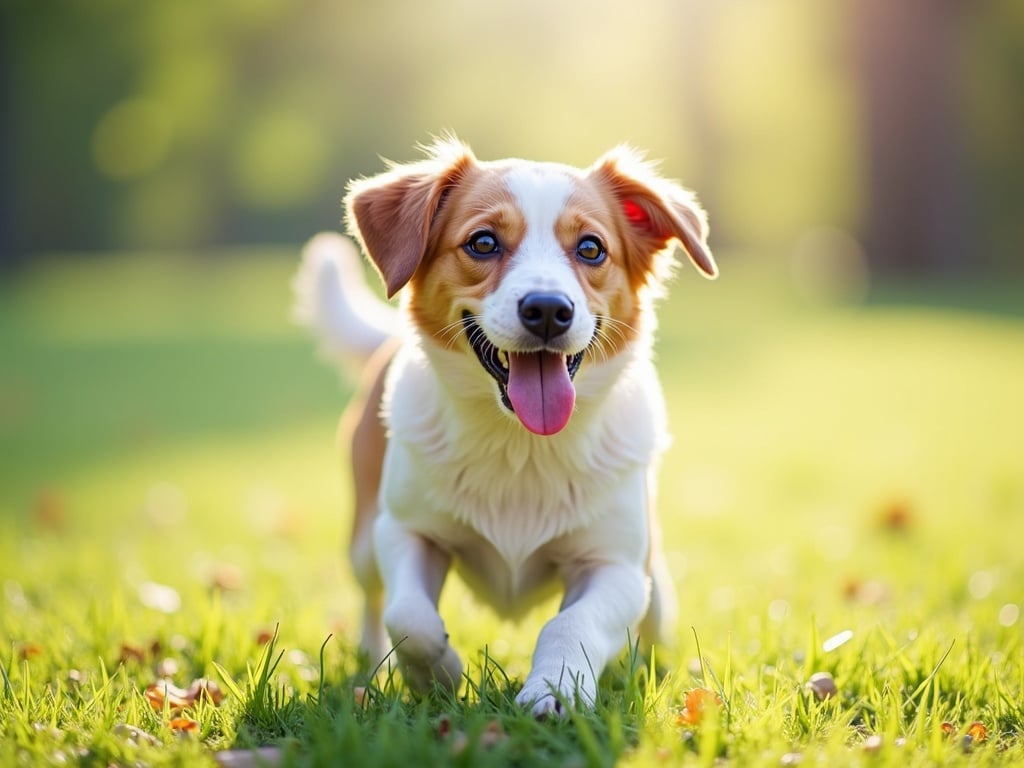
The Shell Game (Advanced Sniffing)
Place several identical containers (cups, boxes) upside down. With your dog not watching, place a treat under one. Encourage them to sniff and choose the correct container for a reward.
Troubleshooting Common ‘Find It' Challenges
Even with the best training, you might encounter some challenges along the way. Here are some common issues and how to address them:
- Dog isn't interested: Make sure you're using high-value treats or toys that your dog finds truly motivating. Keep the sessions short and fun, and gradually increase the difficulty.
- Dog gets frustrated: If your dog seems frustrated, make the hiding spots easier. You can also offer verbal encouragement and guidance to help them find the item. [externalLink insert]
- Dog starts guessing: If your dog is just randomly searching without using their nose, go back to basics and reinforce the importance of sniffing. You can also try using a stronger scent.
- Dog eats the item immediately: To reduce the risk of resource guarding or gulping, especially with food treats, try using larger items that are difficult to swallow whole or trade for an equally high-value reward (like a different treat or toy) when they find the original item.
Safety Considerations
While the find it game is generally safe, it's important to take a few precautions:
- Supervise your dog: Always supervise your dog during the game to ensure they don't ingest anything harmful.
- Choose safe hiding spots: Avoid hiding items in places where your dog could get injured, such as near sharp objects or in areas with poor ventilation.
- Use dog-safe scents: If you're using essential oils or other scents, make sure they are safe for dogs and use them in moderation.
- Be mindful of allergies: If using food items, be aware of any potential allergies your dog may have.
‘Find It' for Dogs with Limited Mobility
The find it game isn't just for young, energetic dogs. It can also be adapted for dogs with limited mobility, such as senior dogs or dogs recovering from injuries.
- Easy access hiding spots: Hide the items in easily accessible locations, such as on the floor or on low shelves.
- Short distances: Keep the search area small and manageable.
- Use strong scents: Use stronger scents to help your dog locate the hidden items with minimal effort.
- Focus on mental stimulation: Even if your dog can't move around much, the mental stimulation of the game will still provide valuable enrichment.
Beyond the Basics: Utilizing ‘Find It' in Training
Find It isn't just a standalone game; it can be cleverly integrated into various aspects of dog training:
**Boosting Recall:Hide a toy, then call your dog. When they find it, reward them handsomely. This reinforces the come command with positive association.
**Counter-Conditioning:If your dog is nervous around certain objects (vacuum cleaner, etc.), hide treats near them. The positive association with Find It can help reduce anxiety.
**Impulse Control:Ask your dog to stay while you hide the treat. This adds a layer of impulse control to the game. Only release them with the Find It command.
A World of Scent-sational Fun
Teaching your dog the find it game is a rewarding experience for both you and your furry friend. It's a fantastic way to provide mental stimulation, build confidence, strengthen your bond, and tap into your dog's natural instincts. So, grab some treats or toys, find a quiet space, and get ready to unleash your dog's inner detective! The world is waiting to be sniffed, explored, and discovered, one hidden treasure at a time.