
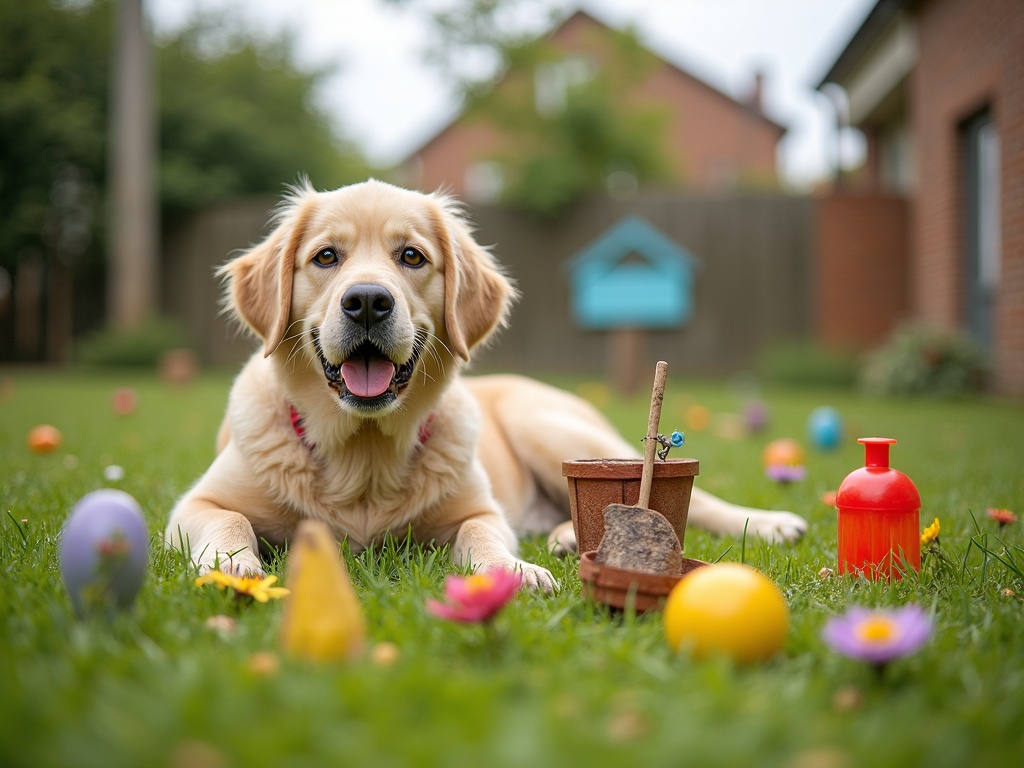
Unleash Your Dog's Senses: Creative DIY Sensory Garden Ideas
Imagine a world where your dog can explore a symphony of scents, textures, and sounds, all within the safety of your backyard. A DIY sensory garden provides just that – a stimulating and enriching environment designed to engage your dog's natural instincts and senses. More than just a pretty landscape, it's a playground for their minds and noses, offering a unique way to combat boredom, reduce anxiety, and strengthen your bond. Ready to transform your backyard into a canine paradise? Let’s dig in!
What is a Sensory Garden for Dogs?
A sensory garden for dogs is a specially designed outdoor space created to stimulate a dog's senses of smell, touch, sight, and hearing. Unlike a typical garden focused on aesthetics, a dog sensory garden prioritizes interaction and exploration. This can be achieved through the use of various plants, textures, and features that cater specifically to a dog's natural curiosity.
Think of it as an interactive playground that appeals to their primal instincts. It's a place where they can sniff to their heart's content, roll around in interesting textures, and engage their minds in a safe and controlled environment. At its heart, it’s about providing accessible and enriching entertainment, stimulating their mind and body in new and exciting ways.
Benefits of a Sensory Garden
Why should you consider building a sensory garden for your furry friend? The benefits are numerous and far-reaching:
- Mental Stimulation: Provides crucial mental exercise, preventing boredom and destructive behaviors stemming from a lack of enrichment.
- Stress Reduction: The act of exploring and engaging with different stimuli can help to reduce stress and anxiety, particularly beneficial for dogs with nervous tendencies.
- Encourages Natural Behaviors: Allows dogs to express their natural instincts like digging, sniffing, and exploring in a designated space.
- Physical Exercise: Promotes movement and activity, contributing to a healthier and more active lifestyle.
- Strengthened Bond: Spending time in the garden together creates bonding opportunities and strengthens the relationship between you and your dog.
- Improved Training: Can be used as a training tool, incorporating scent work and other games into the garden environment.
Planning Your DIY Sensory Garden
Before you grab your shovel and start planting, careful planning is essential. Here's a step-by-step guide to help you design the perfect sensory garden for your canine companion:
1. Assess Your Space and Dog's Needs
Size and Location: Determine the available space in your yard and choose a location that is easily accessible and safe for your dog. Consider factors like sunlight exposure, drainage, and proximity to potential hazards.
Dog's Personality: Understand your dog's individual preferences and needs. Is your dog a digger? A sniffer? Does your dog prefer a sunny or shady spot? Tailor the garden to their specific interests.
Safety First: Identify and remove any potential hazards, such as toxic plants, sharp objects, or unstable structures. Ensure the area is securely fenced to prevent escapes.
2. Define Zones and Features
Divide the garden into different zones based on the senses you want to stimulate. Here are some ideas:
Scent Zone: Plant aromatic herbs like rosemary, lavender, mint (in a contained pot to prevent spreading), and chamomile. These offer a safe and inviting olfactory experience.
Touch Zone: Incorporate different textures like smooth river stones, soft grass, wood chips, and sand. Consider raised beds with varying materials for added tactile stimulation.
Sight Zone: Use visually stimulating elements like colorful flowers (ensure they are non-toxic), wind chimes, and even a small water feature (pond or fountain).
Sound Zone: Add features that create gentle sounds, such as rustling ornamental grasses or a bubbling water fountain. Avoid loud or startling noises that may cause anxiety.
3. Choose Dog-Safe Plants and Materials
This is arguably the most crucial step. Many plants are toxic to dogs and can cause serious health problems. Always double-check the safety of any plant or material before introducing it to your garden. The ASPCA website ( [externalLink insert] ) is an excellent resource for identifying toxic and non-toxic plants.
Here are some dog-safe plant suggestions:
Herbs: Rosemary, lavender, chamomile, lemon balm (in moderation), thyme, sage.
Flowers: Sunflowers, petunias, impatiens, pansies, zinnias.
Grasses: Ornamental grasses like feather reed grass or blue fescue (ensure they are not treated with pesticides).
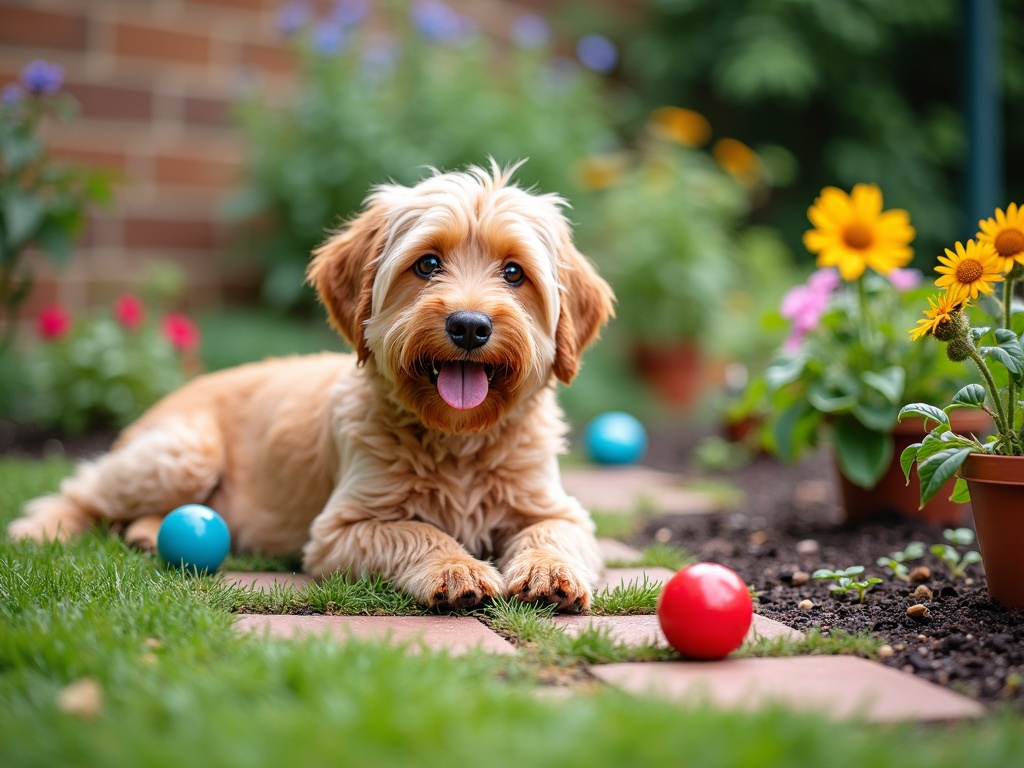
DIY Sensory Garden Ideas: Getting Creative
Now for the fun part! Here are some specific DIY ideas to incorporate into your sensory garden:
1. Digging Pit
Every dog loves to dig! Create a designated digging pit filled with sand or loose soil. Bury toys or treats to encourage exploration and provide a satisfying outlet for their natural digging instincts. You can use a kiddie pool, a sectioned-off area, or even a large planter. Regularly clean the pit and replace the soil to prevent bacteria buildup.
2. Snuffle Mat Station
A snuffle mat is a fantastic way to engage your dog's sense of smell and encourage foraging behavior. Place the snuffle mat on a raised platform or within a designated area of the garden. Sprinkle treats or kibble throughout the mat and let your dog sniff and search for their hidden treasures.
3. Obstacle Course
Create a mini obstacle course using logs, tunnels, and stepping stones. This will encourage physical activity and mental agility. Keep the obstacles low to the ground and appropriate for your dog's size and age. Supervise your dog closely to prevent injuries and offer encouragement as they navigate the course.
4. Water Feature
A small water feature, such as a shallow pond or a bubbling fountain, can provide auditory and visual stimulation, as well as a refreshing drink on a hot day. Ensure the water is clean and easily accessible. Avoid deep water features that could pose a drowning risk.
5. Texture Walkway
Construct a walkway using various textures, such as smooth river stones, wooden planks, and pea gravel. This will provide tactile stimulation as your dog walks through the garden. Make sure the materials are comfortable for your dog's paws and free from sharp edges.
6. Scent Trail
Create a scent trail by planting aromatic herbs or using cotton balls soaked in dog-safe essential oils. Lead your dog along the trail and encourage them to sniff and follow the scent. This is a great way to engage their sense of smell and provide mental stimulation.
7. Sensory Boxes
Fill boxes with different materials like tennis balls, pine cones, or fabric scraps. Let your dog explore the boxes, encouraging tactile investigation and a playful spirit.
8. Tire Run
Old tires can be repurposed as playful runs. Bury them halfway in the ground to create a safe, engaging tunnel your dog can run through. Paint them with non-toxic paint for an added visual appeal.
Maintaining Your Sensory Garden
Once your sensory garden is complete, regular maintenance is essential to ensure its safety and longevity.
Watering: Water plants regularly, especially during dry periods.
Weeding: Remove weeds promptly to prevent them from competing with your plants and potentially causing harm.
Pruning: Prune plants regularly to maintain their shape and size.
Cleaning: Clean digging pits, water features, and other features regularly to prevent bacteria buildup.
Inspection: Inspect the garden regularly for any potential hazards, such as sharp objects or toxic plants.
Rotation: Rotate the location of certain features periodically to keep the garden stimulating and prevent boredom.
Safety Considerations
While sensory gardens are designed to be enriching, safety should always be your top priority.
Toxic Plants: Be absolutely certain that all plants are non-toxic to dogs.
Pesticides and Herbicides: Avoid using pesticides and herbicides in your garden, as these can be harmful to your dog.
Sharp Objects: Remove any sharp objects or debris that could injure your dog.
Supervision: Supervise your dog while they are in the garden, especially when they are first introduced to new features.
Fencing: Ensure the garden is securely fenced to prevent escapes.
Water Safety: If you have a water feature, ensure it is shallow and easily accessible to prevent drowning.
Sun Protection: Provide shade and water to prevent overheating, especially during hot weather.
Conclusion: A Sensory Symphony for Your Canine Companion
Creating a DIY sensory garden for your dog is a rewarding experience that will enrich their life and strengthen your bond. By carefully planning, choosing safe materials, and incorporating stimulating features, you can transform your backyard into a paradise for your furry friend. Watch as they explore the scents, textures, and sounds of their new environment, engaging their senses and unleashing their natural instincts. So, get creative, get digging, and create a sensory symphony for your canine companion! It’s an investment in their happiness and well-being that will pay off in countless tail wags and joyful moments.