Avoiding Bloat in Dogs Through Diet: A Comprehensive Guide
Imagine your beloved canine companion, usually a picture of boundless energy, suddenly restless, pacing, and with a visibly swollen abdomen. This could be the nightmare scenario of gastric dilatation-volvulus, commonly known as bloat, a life-threatening condition that can strike quickly and without warning. While bloat can have multiple contributing factors, diet plays a significant role in both its prevention and management. This article aims to equip you with the knowledge to make informed dietary choices, minimizing the risk of bloat and promoting your dog's overall well-being.
Understanding Bloat: Gastric Dilatation-Volvulus (GDV)
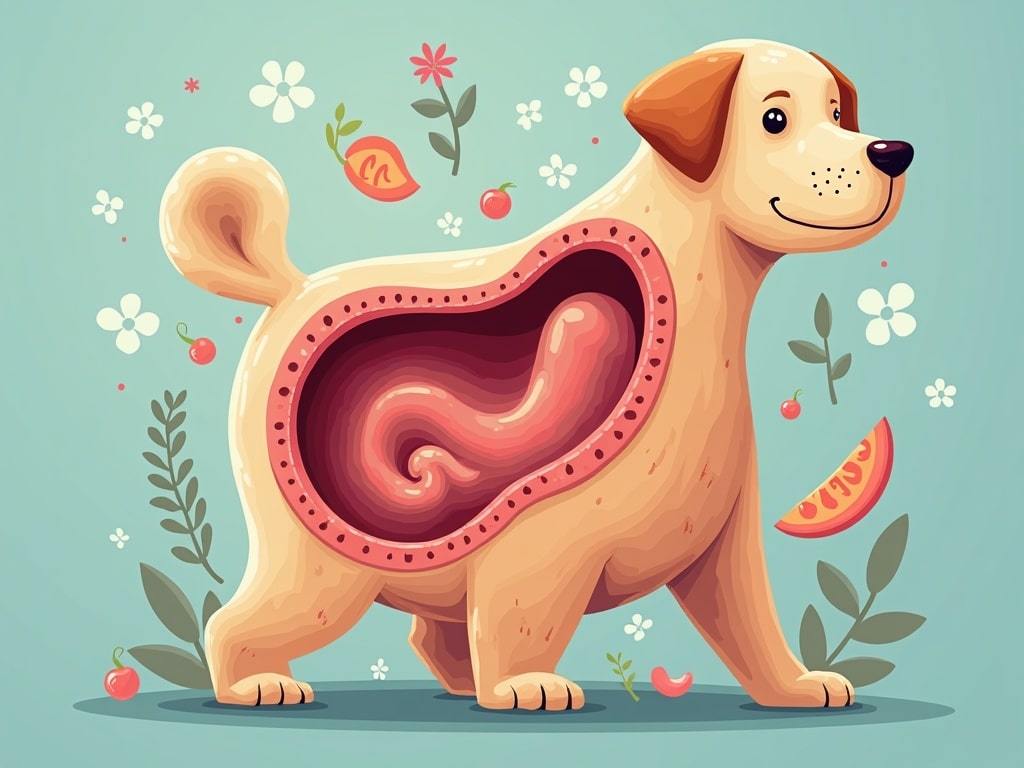
Gastric Dilatation-Volvulus (GDV) is a serious condition where the stomach fills with gas (dilatation) and then twists on itself (), cutting off blood supply and preventing the escape of gas. This can lead to shock, organ damage, and even death if not treated promptly. Certain breeds, particularly large and deep-chested dogs like Great Danes, Irish Setters, and Saint Bernards, are predisposed to bloat. However, any dog can be affected.
Recognizing the Symptoms
Early detection is crucial. Be vigilant for these signs:
- Restlessness and anxiety
- Unsuccessful attempts to vomit
- Excessive drooling
- Pacing and panting
- Swollen or distended abdomen
- Weakness and collapse
If you observe these symptoms, seek immediate veterinary attention. GDV is a medical emergency.
The Dietary Connection: How Food Impacts Bloat Risk
While the exact cause of bloat remains elusive, several dietary factors have been implicated as potential contributors. Understanding these factors is the first step in modifying your dog's diet for prevention.
Rapid Eating and Air Swallowing (Aerophagia)
Dogs who gulp down their food quickly tend to swallow large amounts of air, increasing the risk of gastric dilatation. This is particularly true for dogs eating from elevated bowls, a practice once thought to be beneficial but now considered a potential risk factor for bloat in some studies.
Food Ingredients and Composition
Certain ingredients and compositions in dog food have also been linked to increased bloat risk:
- High-Grain Diets: Foods high in fermentable carbohydrates, such as corn, soy, and wheat, can contribute to increased gas production in the stomach.
- Dry Food with Small Kibble Size: Smaller kibble size can encourage faster eating and more air swallowing.
- Foods High in Fat: High-fat diets can slow down gastric emptying, potentially increasing the time food sits in the stomach and ferments.
- Citric Acid: Some studies suggest that citric acid, a common preservative in dog food, may be associated with an increased risk of bloat, although more research is needed.
Meal Frequency and Timing
The number of meals and the timing of feeding can also influence bloat risk. Feeding one large meal per day may overload the stomach and increase the likelihood of dilatation.
Dietary Strategies for Bloat Prevention
Now that we understand the potential dietary contributors to bloat, let's explore practical strategies to minimize the risk.
Slowing Down Eating
The primary goal is to reduce the amount of air your dog swallows while eating. Here's how:
- Feed Smaller, More Frequent Meals: Instead of one large meal, divide your dog’s daily ration into two or three smaller meals.
- Use a Slow Feeder Bowl: These bowls have built-in obstacles that force dogs to eat more slowly. A wide variety of slow-feeder bowls are available in pet stores and online.
- Scatter the Food: Spread the food out on a clean surface, like a baking sheet or the lawn, to encourage slower consumption.
- Hand-Feeding: Spend time hand-feeding your dog, offering small portions at a time. This is especially useful for dogs prone to gulping.
Choosing the Right Food
Selecting a high-quality dog food with the right ingredients is crucial.
- Prioritize Protein: Look for foods with a high-quality source of animal protein as the primary ingredient.
- Limit Fermentable Carbohydrates: Choose foods with fewer grains like corn, wheat, and soy. Opt for easily digestible carbohydrates like rice, oats, or sweet potatoes.
- Moderate Fat Content: Select a food with a moderate fat content, avoiding excessively high-fat options.
- Consider Large Kibble Size: Larger kibble size can help slow down eating.
- Read Labels Carefully: Scrutinize the ingredient list and nutritional analysis to make informed choices.
Hydration and Feeding Practices
Proper hydration is essential for digestion.
- Provide Fresh Water: Ensure your dog always has access to fresh, clean water, but avoid excessive water consumption immediately before or after meals.
- Avoid Exercise Before and After Eating: Restrict strenuous exercise for at least one hour before and two hours after feeding to allow for proper digestion.
- Soaking Dry Food: Some veterinarians recommend slightly moistening dry food to make it easier to swallow and potentially reduce air ingestion. However, be mindful of bacterial growth if the food sits out for an extended period.
The Role of Probiotics and Digestive Enzymes
Probiotics and digestive enzymes can play a supportive role in promoting healthy digestion and potentially reducing gas production.
- Probiotics: These beneficial bacteria can help maintain a healthy gut flora, aiding in digestion and reducing the likelihood of excessive gas formation. Consult with your veterinarian about appropriate probiotic supplements for your dog.
- Digestive Enzymes: These enzymes help break down food, improving nutrient absorption and potentially reducing the amount of undigested food that ferments in the gut. Again, consult with your vet before adding these.
Specific Dietary Recommendations for Bloat-Prone Breeds
If you have a dog breed predisposed to bloat, such as a Great Dane or Irish Setter, taking extra precautions is crucial. In addition to the general guidelines, consider these specific recommendations:
- Prophylactic Gastropexy: This surgical procedure involves attaching the stomach to the abdominal wall to prevent it from twisting. It's often recommended for at-risk breeds, especially during spaying or neutering. Discuss this option with your veterinarian.
- Elevated Feeding Bowls: While previously thought to be beneficial, recent studies suggest that elevated feeding bowls may increase the risk of bloat in large, deep-chested breeds. It's generally recommended to feed these dogs from floor level.
- Careful Monitoring: Be extra vigilant for any signs of bloat, and don't hesitate to seek immediate veterinary attention if you suspect a problem.
Beyond Diet: Other Factors to Consider
While diet plays a significant role in bloat prevention, it's essential to acknowledge that other factors can contribute to the condition.
- Genetics: Bloat has a hereditary component, meaning that dogs with a family history of the condition are at higher risk.
- Stress and Anxiety: Stressful situations can disrupt the digestive system and increase the likelihood of bloat. Minimize stress in your dog's environment.
- Underlying Medical Conditions: Certain medical conditions, such as inflammatory bowel disease (IBD), can increase the risk of bloat.
Consulting Your Veterinarian
The information provided in this article is for general guidance only and should not be considered a substitute for professional veterinary advice. Always consult with your veterinarian to develop a customized dietary plan that meets your dog's individual needs and health status. Your vet can assess your dog's risk factors, recommend appropriate food choices, and advise on other preventive measures. They can also help you identify any underlying medical conditions that may be contributing to the risk of bloat. Don't hesitate to reach out to them with any questions or concerns you may have about your dog’s health and well-being. [externalLink insert]
Conclusion: A Proactive Approach to Canine Health
Avoiding bloat in dogs through diet requires a proactive and informed approach. By understanding the dietary risk factors, implementing preventative strategies, and working closely with your veterinarian, you can significantly reduce the risk of this life-threatening condition and ensure your beloved companion enjoys a long, healthy, and happy life. Remember, early detection and prompt veterinary intervention are crucial in the event of bloat. Be vigilant, be informed, and be prepared to act quickly. Your dog's life may depend on it.