
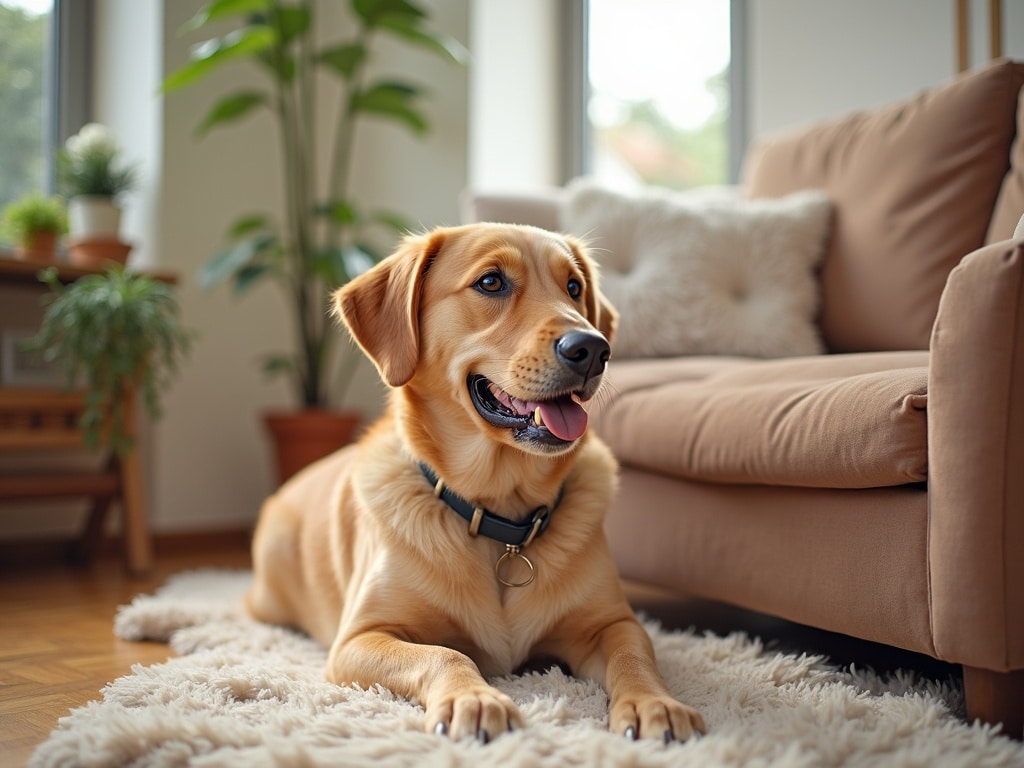
How to Keep Your Dog Entertained While You're at Work
The sound of the front door closing echoes through the empty house. Your dog, a furry bundle of energy just moments ago, now stares forlornly at the door, a silent question in their eyes: Where are you going? It's a scene familiar to countless dog owners. We love our canine companions, but the demands of modern life often mean leaving them alone for hours. The guilt can be tough to shake, but the real concern is your dog's well-being. A bored dog can quickly become a destructive dog, or worse, a depressed dog. But don't despair! Keeping your dog entertained while you're at work is entirely possible with a little planning and creativity.
Understanding Your Dog's Needs
Before diving into specific activities, it’s crucial to understand what your dog needs to thrive. Just like humans, dogs have individual personalities and energy levels. A high-energy breed like a Border Collie will have different requirements than a more laid-back breed like a Bulldog. Consider these factors:
- Breed: Research your dog's breed to understand their inherent tendencies. Are they bred to herd, hunt, or guard?
- Age: Puppies require more frequent attention and potty breaks. Senior dogs may need more comfortable resting spots and gentler activities.
- Energy Level: Is your dog a perpetual motion machine or a couch potato? Adjust activities accordingly.
- Personality: Some dogs are highly social and crave interaction, while others are more independent.
Knowing your dog's unique needs will help you tailor a plan that keeps them happy and engaged while you're away.
Creating an Engaging Environment
Your dog's environment plays a huge role in their entertainment. Think of it as setting the stage for a day of fun, even in your absence.
Dog-Proofing is Paramount
First and foremost, ensure your home is dog-proofed. This means removing any potential hazards: securing electrical cords, putting away cleaning supplies, and storing anything fragile out of reach. A safe environment is a happy environment.
Designated Play Zone
Create a designated play zone for your dog. This could be a corner of a room, a specific room, or even a crate (if your dog is crate-trained and comfortable). Fill this area with a variety of toys to keep them stimulated.
Rotating Toys: The Element of Surprise
Dogs, like humans, can get bored with the same old toys. Implement a toy rotation system. Keep some toys hidden away and swap them out every few days. This creates a sense of novelty and excitement each time.
- Puzzle Toys: These toys challenge your dog mentally and physically, requiring them to work for a treat or toy.
- Chew Toys: Durable chew toys can provide hours of entertainment and help satisfy your dog's natural urge to chew.
- Interactive Toys: Toys that make noise or move can pique your dog's interest and keep them engaged.
- Comfort Toys: A familiar blanket or stuffed animal can provide comfort and security, especially if your dog experiences separation anxiety.
The Power of Sound
Think about the sounds your dog will hear while you're gone. A silent house can be unsettling. Consider leaving on a radio or playing calming music specifically designed for dogs. Some dogs also enjoy watching television, especially nature documentaries featuring animals.
Interactive Entertainment: Keeping Them Mentally Stimulated
Physical exercise is important, but mental stimulation is equally crucial for a happy dog. Boredom can lead to destructive behaviors, so engaging their minds is key.
Puzzle Toys: A Brain Workout
We've already touched on puzzle toys, but they deserve a deeper dive. These toys come in various forms, from simple treat-dispensing balls to complex contraptions that require problem-solving skills. The key is to choose toys that are appropriate for your dog's intelligence level and that they find genuinely engaging.
Snuffle Mats: Engaging Their Sense of Smell
Snuffle mats are fabric mats with hidden compartments where you can sprinkle kibble or treats. Dogs use their noses to sniff out the food, providing a stimulating and rewarding activity.
DIY Enrichment Activities
You don't have to spend a fortune on fancy toys. Get creative with DIY enrichment activities. For example, you can hide treats around the house and let your dog sniff them out, or create a dig box filled with toys and treats buried in blankets or shredded paper.
Addressing Separation Anxiety
For some dogs, being alone can trigger separation anxiety, a condition that can manifest in various ways, from excessive barking and destructive behavior to pacing and self-harm.
Recognizing the Signs
It's important to recognize the signs of separation anxiety. These include:
- Excessive barking or howling
- Destructive behavior (chewing, scratching, digging)
- Pacing or restlessness
- Inappropriate urination or defecation
- Excessive drooling or panting
- Attempts to escape
Strategies for Alleviating Anxiety
If you suspect your dog has separation anxiety, consult with your veterinarian or a certified dog trainer. They can help you develop a behavior modification plan tailored to your dog's specific needs. Some common strategies include:
- Counter-Conditioning: Changing your dog's association with being alone from negative to positive by pairing your departure with something enjoyable, like a special treat or toy.
- Desensitization: Gradually exposing your dog to being alone for increasing periods of time.
- Creating a Safe Space: Providing a comfortable and secure space for your dog to retreat to when they're feeling anxious.
- Medication: In some cases, medication may be necessary to help manage severe separation anxiety.
Professional Help
Don't hesitate to seek professional help if you're struggling to manage your dog's separation anxiety on your own. A qualified professional can provide guidance and support, helping you and your dog navigate this challenging condition.
The Importance of Exercise Before You Leave
A tired dog is a good dog. Before you head to work, make sure your dog gets plenty of exercise. This could be a brisk walk, a run in the park, or a game of fetch. Physical activity helps to burn off energy and reduce anxiety, making them more likely to relax while you're away.
Morning Routine
Establish a consistent morning routine that includes exercise. This not only benefits your dog physically but also provides mental stimulation and helps to strengthen your bond.
Types of Exercise
The type of exercise your dog needs will depend on their breed, age, and energy level. Some ideas include:
- Walking or Running: A classic and effective way to burn off energy.
- Playing Fetch: A great way to engage your dog's natural hunting instincts.
- Dog Park Visit: A chance for socialization and play with other dogs.
- Agility Training: A challenging and rewarding activity that combines physical and mental stimulation.
For example, [externalLink insert] provides insight into the benefits of dog agility training.
The Power of Scheduled Visits
If possible, consider scheduling a midday visit from a dog walker or a trusted friend or family member. A brief potty break, a quick walk, or even just a few minutes of attention can make a huge difference in your dog's day.
Dog Walkers
Dog walkers can provide regular exercise and socialization opportunities for your dog while you're at work. Choose a reputable dog walker who is experienced and insured.
Dog Daycare
Dog daycare is another option for providing your dog with social interaction and supervised play. This can be a great solution for high-energy dogs who need plenty of exercise and stimulation.
Technology to the Rescue
In today's tech-savvy world, there are numerous gadgets designed to keep your dog entertained while you're away.
Interactive Pet Cameras
Interactive pet cameras allow you to check in on your dog remotely, talk to them, and even dispense treats. This can help to alleviate anxiety and provide a sense of connection.
Automatic Treat Dispensers
Automatic treat dispensers release treats at pre-set intervals, providing your dog with a stimulating reward throughout the day.
Automated Toys
Automated toys can provide your dog with hours of entertainment by moving, making noise, or dispensing treats. Look for toys that are durable and safe for your dog to use unsupervised.
Consistency is Key
Finally, remember that consistency is key. Establish a daily routine that includes exercise, playtime, and mental stimulation. This will help your dog to feel secure and confident, even when you're not around. It takes time and patience, but seeing your dog happy and content makes it all worthwhile.
Leaving your dog home alone while you work doesn't have to be a source of guilt and worry. By understanding your dog's needs, creating an engaging environment, providing ample exercise and mental stimulation, and addressing any potential anxiety, you can ensure that your furry friend has a happy and fulfilling day, even in your absence. And that, after all, is what every dog owner wants.