

How to Find High Value Training Treats Your Dog Will Adore
Imagine this: you're teaching your dog a new trick, and they're just not getting it. Their tail isn't wagging; their focus is elsewhere. Then, you pull out *thattreat – the one that makes their eyes light up, their ears perk, and their full attention snap to you. That, my friend, is the power of a high-value training treat. But how do you find these magical morsels? Let's dive into the world of dog treats and uncover the secrets to finding the perfect motivation for your furry friend.
Understanding High Value: What Makes a Treat Irresistible?
“High value” isn’t about the price tag. It’s about what motivates *yourdog. It’s subjective and depends entirely on their individual preferences. What one dog finds utterly irresistible, another might sniff at and walk away from. Here's a breakdown of factors that contribute to a treat's perceived value:
- Smell: Dogs have incredible noses. A strong, enticing aroma can be a major draw. Think pungent cheeses, meaty scents, or fishy delights.
- Taste: While we can't ask our dogs directly what they taste, their reactions speak volumes. Texture plays a role, too. Some dogs prefer chewy, others crunchy, and some want it soft and easily consumed.
- Texture: Is it crunchy, chewy, soft, or crumbly? The texture experience is important for your dog's enjoyment of the treat.
- Novelty: Something new and different can be incredibly exciting. Rotating treats can keep your dog engaged.
- Your Enthusiasm: This is huge! Your excitement when offering the treat can increase its perceived value. A happy, encouraging tone can make even a so-so treat seem more appealing.
The Obvious Choices: Popular High-Value Treat Options
Let's explore some common, readily available high-value treats to get you started:
- Cooked Chicken: Plain, boiled, or baked chicken breast, cut into small pieces, is a classic for a reason. Most dogs go crazy for it. Ensure it's unseasoned and boneless.
- Cheese: Small cubes of cheddar, mozzarella, or provolone can be very motivating. Be mindful of the fat content, especially for dogs prone to weight gain.
- Hot Dogs: Another classic! Use sparingly due to their high sodium and fat content. Opt for all-beef, low-sodium versions and cut them into tiny pieces.
- Liver Treats: Freeze-dried liver or cooked liver is intensely flavorful and aromatic. A little goes a long way.
- Peanut Butter: A spoonful of peanut butter (xylitol-free!) can be a great reward. Offer it on a spoon or in a Kong.
Beyond the Basics: Exploring Less Common High-Value Treats
Ready to venture beyond the usual suspects? Here are some less common but potentially highly rewarding options:
- Salmon Skin: Dehydrated salmon skin is a crunchy, omega-3-rich treat that many dogs adore.
- Tripe: Green tripe (the stomach lining of ruminant animals) is a highly nutritious and palatable option. It's definitely an acquired taste (and smell for humans!), but dogs often go wild for it.
- Sweet Potato: Baked or dehydrated sweet potato is a healthy and naturally sweet treat.
- Blueberries: These little berries are packed with antioxidants and can be a fun, refreshing treat, especially during warmer months.
- Baby Food (Meat Flavors): Pureed meat-flavored baby food (check the ingredients to ensure it contains no onion or garlic) can be a great option for dogs with sensitive teeth or those who need a soft treat.
The Importance of Size and Calorie Content
High-value treats are meant to be *trainingaids, not meal replacements. Size and calorie count are critical considerations:
- Tiny is Key: Treats should be small – about the size of your pinky nail for small dogs and the size of your thumb nail for large dogs. You want to reward frequently without overfeeding.
- Calorie Awareness: Factor treats into your dog's daily calorie intake. If you're doing a lot of training, you may need to reduce their regular meal size.
- Read Labels: Pay attention to the ingredient list. Look for treats with recognizable ingredients and avoid those with excessive fillers, artificial colors, and preservatives.
- Homemade Options: Making your own treats allows you to control the ingredients and portion sizes.
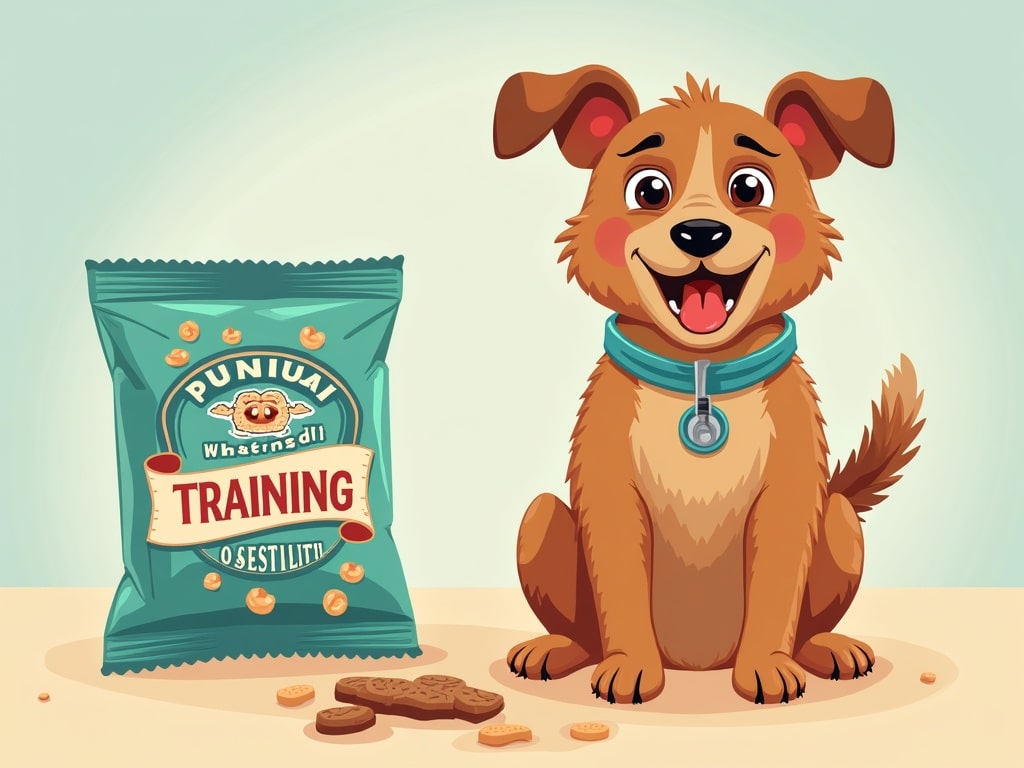
How to Identify *YourDog's High-Value Treats: Experimentation is Key
Here’s where the fun begins! To discover your dog’s ultimate motivators, conduct a treat taste test.
- Gather a Selection: Choose 5-7 different treats with varying textures, smells, and ingredients. Include some you think they'll love and a few surprising options.
- Introduce One at a Time: Offer a small piece of each treat, one at a time, in a neutral setting.
- Observe Their Reaction: Watch carefully for their response. Do their eyes light up? Do they gobble it down immediately? Do they hesitate or sniff disinterestedly?
- Rank the Treats: Based on their reactions, rank the treats from most to least appealing.
- Test in a Training Scenario: Take your top 2-3 treats and test them during a training session. See which one holds their attention best when distractions are present.
When to Use High-Value Treats (and When Not To)
High-value treats are powerful tools, but they should be used strategically:
- New Behaviors: Use them when introducing a new behavior or trick. They provide extra motivation to learn something challenging.
- Distracting Environments: Employ them in environments with lots of distractions. The high value will help keep your dog focused on you.
- Overcoming Fears: Utilize them to help your dog overcome fears or anxieties. Pair the treat with the scary stimulus to create a positive association.
- Jackpots: Use a jackpot of several high-value treats for an exceptional performance or when your dog really nails a difficult task.
However, avoid relying on high-value treats *allthe time:
- Avoid Bribery: Don't use treats to lure your dog into doing something they already know. This can decrease their overall obedience.
- Fade Them Out: As your dog becomes more proficient with a behavior, gradually reduce the frequency of high-value treats, replacing them with lower-value treats or praise.
- Vary Rewards: Mix up your rewards. Use praise, toys, or even a quick game of tug-of-war to keep things interesting.
DIY: Making Your Own High-Value Treats
Making your own treats is a great way to control the ingredients and cater to your dog's specific needs and preferences. Here are some easy recipes:
- Dehydrated Sweet Potato Chews: Slice sweet potatoes into thin strips and dehydrate them in a dehydrator or oven until chewy.
- Chicken Jerky: Slice chicken breast into thin strips and bake at a low temperature until dried and jerky-like.
- Peanut Butter and Banana Bites: Mix mashed banana with peanut butter and a little oat flour. Roll into small balls and bake until firm.
- Frozen Yogurt Bites: Mix plain yogurt with pureed fruit or vegetables and freeze in small molds.
Addressing Picky Eaters and Dietary Restrictions
What if your dog is a picky eater, or has allergies or sensitivities? Don't despair! Finding high-value treats may require some extra effort, but it's definitely possible.
- Allergy Considerations: If your dog has allergies, carefully read ingredient labels and avoid common allergens like wheat, corn, soy, and certain proteins. Consider single-ingredient treats or hypoallergenic options.
- Picky Eaters: For picky eaters, try offering a variety of different treats and see which ones pique their interest. Warm the treats slightly to enhance their aroma. Hand-feeding can also increase their appeal.
- Consult Your Veterinarian: If you have concerns about your dog's diet or suspect they may have allergies, consult with your veterinarian for guidance.
It's also important to consider treats that are healthy, such as the treats found at [externalLink insert]
Storing Treats Properly to Maintain Freshness and Value
Proper storage is essential to maintain the freshness, flavor, and aroma of your high-value treats.
- Airtight Containers: Store treats in airtight containers to prevent them from drying out or becoming stale.
- Refrigeration: Highly perishable treats, like cooked chicken or cheese, should be stored in the refrigerator.
- Freezing: For longer storage, freeze treats in small portions.
- Labeling: Label containers with the date you made or purchased the treats to ensure you use them before they expire.
Finding the perfect high-value training treats for your dog is a journey of discovery. By understanding what motivates your furry friend and experimenting with different options, you can unlock their full potential and make training a fun and rewarding experience for both of you. So, get out there, explore, and discover the treats that make your dog's tail wag with joy! Remember to always be observant of your dog's reactions and adjust your treat selection accordingly. The key is to find what works best for *yourindividual dog and their unique preferences. Happy training!