

Calming Dog Beds: Do They Really Work? Unveiling the Science and Comfort Behind the Hype
Do you watch your furry friend pace anxiously during thunderstorms, tremble at the sound of fireworks, or whine relentlessly when left alone? As pet parents, we constantly seek ways to ease our dogs' anxieties and provide them with a sense of security. Enter the calming dog bed – a seemingly magical solution promising a haven of tranquility. But do these beds truly live up to the hype? Let's delve into the world of calming dog beds, exploring the science, the designs, and, most importantly, whether they actually work.
Understanding Dog Anxiety: Why the Need for Calming Solutions?
Before examining the effectiveness of calming dog beds, it's crucial to understand the underlying causes of anxiety in dogs. Anxiety can manifest in various ways, from mild nervousness to full-blown panic attacks. Common triggers include:
- Loud Noises: Thunder, fireworks, construction sounds
- Separation Anxiety: Distress when left alone
- Travel: Car rides, airplane travel
- New Environments: Moving to a new home, visiting unfamiliar places
- Social Anxiety: Fear of strangers or other animals
- Past Trauma: Negative experiences that create lasting fear
Recognizing these triggers is the first step in addressing your dog's anxiety. While professional training and, in some cases, medication may be necessary for severe cases, many pet owners seek supplementary tools to create a comforting environment for their anxious companions. That’s where calming dog beds come in.
The Calming Dog Bed Design: What Makes Them Special?
Calming dog beds are designed with specific features intended to promote relaxation and reduce anxiety. While variations exist, several key elements are commonly found:
The Raised Rim: A Sense of Security
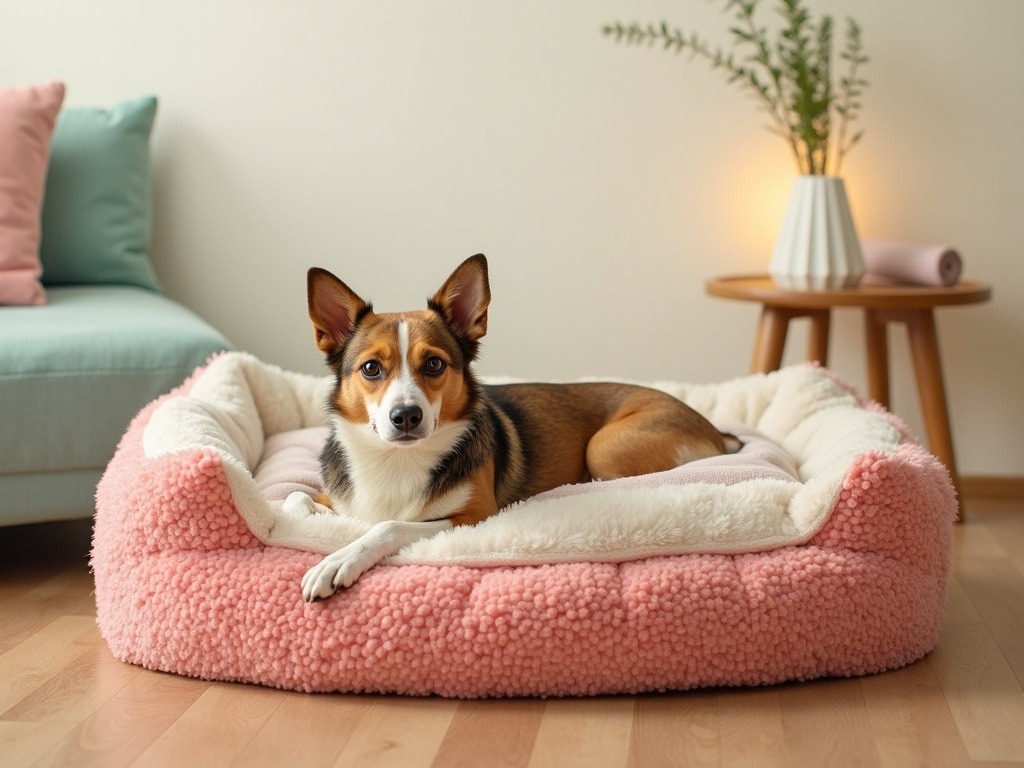
Most calming beds feature a raised rim that surrounds the sleeping area. This rim provides a sense of security and enclosure, mimicking the feeling of being cuddled or held. For dogs who naturally seek out confined spaces when feeling anxious, the raised rim can offer a safe haven. Think of it like a comforting hug all night long, offering that reassuring feeling of being safe and secure.
Soft, Plush Materials: Comfort and Warmth
Calming beds are typically made from ultra-soft, plush materials like faux fur or Sherpa fleece. These materials provide a comforting and warm surface for your dog to snuggle into. The soft texture can be particularly soothing for anxious dogs, promoting relaxation and reducing restlessness.
Orthopedic Support: Relieving Physical Discomfort
Many calming beds also incorporate orthopedic foam or memory foam to provide support for your dog's joints and muscles. This is especially beneficial for older dogs or those with arthritis, as it can alleviate pain and discomfort that may contribute to anxiety.
Deep Sleeping Area: Encouraging Curled-Up Positions
The deep sleeping area of calming beds encourages dogs to curl up in a natural sleeping position. This position can help them feel more secure and protected, reducing anxiety and promoting deeper sleep.
The Science Behind Calming Dog Beds: How They Work
While the effectiveness of calming dog beds can vary depending on the individual dog and the severity of their anxiety, some scientific principles support their potential benefits:
Tactile Stimulation: Activating the Relaxation Response
The soft, plush materials of calming beds provide tactile stimulation, which can activate the parasympathetic nervous system. This system is responsible for the rest and digest response, which counteracts the effects of stress and anxiety. The gentle pressure and comforting texture can help to lower heart rate, reduce muscle tension, and promote relaxation.
Mimicking Maternal Comfort: Tapping into Instinctual Security
The raised rim and enclosed design of calming beds can mimic the feeling of being nestled against their mother and littermates, a primal source of comfort and security for dogs. This can trigger a sense of safety and reduce feelings of vulnerability.
Creating a Safe Space: Establishing a Zone of Tranquility
By consistently providing a calming bed as a safe and comfortable space, you can help your dog associate it with feelings of relaxation and security. Over time, the bed can become a refuge where your dog can retreat when feeling anxious or stressed.
Real-World Results: Do Calming Dog Beds Live Up to the Hype?
Anecdotal evidence from pet owners suggests that calming dog beds can be effective in reducing anxiety in some dogs. Many owners report that their dogs sleep more soundly, exhibit less anxious behavior, and seem generally more relaxed after using a calming bed.
However, it's important to note that calming dog beds are not a magic bullet. They may not be effective for all dogs, especially those with severe anxiety disorders. In these cases, a multi-faceted approach that includes professional training, medication, and environmental modifications may be necessary.
Factors Influencing Effectiveness:
- Severity of Anxiety: Calming beds are more likely to be effective for mild to moderate anxiety.
- Dog's Personality: Some dogs are naturally more anxious than others and may require more intensive interventions.
- Bed Design and Quality: The specific features and quality of the bed can influence its effectiveness.
- Consistency of Use: Consistent use of the calming bed as a safe space is crucial for establishing a positive association.
Choosing the Right Calming Dog Bed: What to Consider
With a plethora of calming dog beds available on the market, selecting the right one for your furry friend can feel overwhelming. Here are some key factors to consider:
Size and Shape: Ensuring a Comfortable Fit
Choose a bed that is large enough for your dog to comfortably stretch out and curl up. Consider your dog's preferred sleeping position when selecting the shape of the bed. Round beds are often favored by dogs who like to curl up, while rectangular beds may be more suitable for dogs who prefer to stretch out.
Material and Construction: Prioritizing Comfort and Durability
Opt for beds made from soft, plush materials that are gentle on your dog's skin. Ensure that the bed is well-constructed and durable, able to withstand daily use and washing. Consider beds with removable and washable covers for easy cleaning.
Support and Padding: Catering to Specific Needs
If your dog has joint problems or arthritis, choose a bed with orthopedic foam or memory foam padding to provide extra support and pain relief. Consider the thickness and density of the padding to ensure adequate cushioning.
Safety Features: Ensuring a Safe Sleeping Environment
Look for beds with non-slip bottoms to prevent them from sliding around on hard floors. Avoid beds with small parts that could be chewed off and ingested, posing a choking hazard.
Beyond the Bed: Creating a Calming Environment for Your Dog
While a calming dog bed can be a valuable tool for reducing anxiety, it's essential to create a holistic calming environment for your furry friend. Here are some additional strategies to consider:
- Establish a Consistent Routine: Dogs thrive on routine, so establish regular feeding, walking, and playtime schedules.
- Provide Plenty of Exercise: Regular physical activity can help to reduce anxiety and burn off excess energy.
- Offer Mental Stimulation: Engage your dog's mind with puzzle toys, training exercises, and interactive games.
- Create a Safe and Quiet Space: Designate a quiet area in your home where your dog can retreat when feeling overwhelmed.
- Use Calming Aids: Consider using calming sprays, diffusers, or supplements to help reduce anxiety. [External link: https://www.akc.org/expert-advice/health/dog-anxiety/]
- Consult with a Veterinarian or Dog Trainer: If your dog's anxiety is severe or persistent, seek professional help from a veterinarian or certified dog trainer.
Conclusion: A Tool, Not a Cure-All, But a Potentially Powerful One
Calming dog beds can be a valuable tool in managing anxiety in dogs, but they are not a guaranteed solution for all. By understanding the design and scientific principles behind these beds, you can make an informed decision about whether one might benefit your furry friend. Remember, a holistic approach that includes addressing the underlying causes of anxiety, creating a calming environment, and seeking professional help when needed is crucial for promoting your dog's overall well-being. If your dog is prone to anxiety a calming bed is another potentially great tool in your arsenal to help them find the chill that they need.