
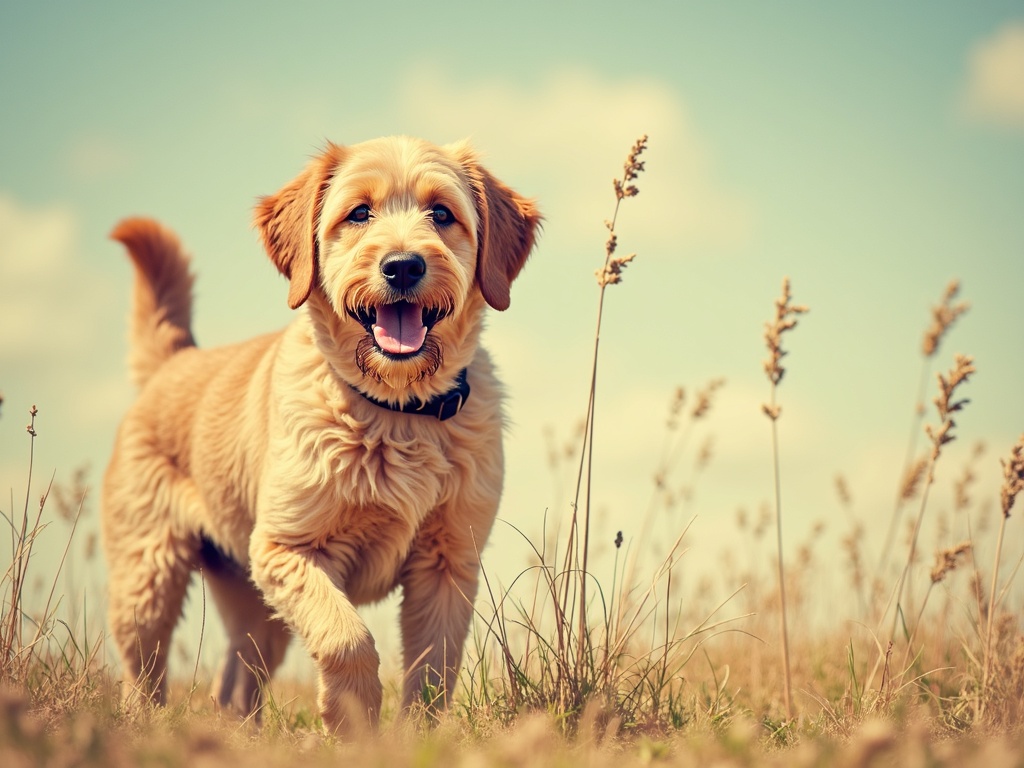
Dog Morning Routine Ideas: Start Your Day on the Right Paw
The sun peeks over the horizon, and a gentle nudge wakes you from slumber. But before you even open your eyes, a wet nose and wagging tail greet you, signaling the start of another day with your furry best friend. Establishing a consistent and enriching morning routine is vital for your dog's physical and mental well-being – and, let's be honest, for setting a positive tone for your day too. Forget that frantic dash to the door! Imagine instead a calm, connected start to the day, filled with happy wags and shared moments. This article will explore fun and practical dog morning routine ideas to transform your mornings from chaotic to cherished.
Why a Morning Routine Matters for Your Dog
Dogs thrive on predictability. A consistent morning routine provides them with a sense of security and reduces anxiety. By knowing what to expect, your dog feels more comfortable and confident. Think of it as setting the stage for a good day, replacing stress with structure.
- Reduced Anxiety: Predictability minimizes fear and uncertainty.
- Improved Digestion: Regular feeding times aid digestive health.
- Mental Stimulation: Activities like walks and playtime keep their minds sharp.
- Stronger Bond: Shared activities strengthen the bond between you and your dog.
- Better Behavior: A well-exercised and mentally stimulated dog is less likely to exhibit destructive behaviors.
Crafting the Perfect Dog Morning Routine: Key Elements
There's no one-size-fits-all approach to a dog morning routine. The ideal schedule depends on your dog's age, breed, energy level, and your own lifestyle. But some core components are essential:
- Potty Break: The first order of business! A quick trip outside is crucial.
- Food and Water: Fuel up for the day with a nutritious breakfast and fresh water.
- Exercise: A walk, run, or playtime to expend energy and stimulate the mind.
- Grooming: A quick brush to remove loose fur and keep their coat healthy .
- Training/Mental Enrichment: Short training sessions or puzzle toys to keep them mentally engaged.
- Affection and Cuddles: Quality time together to strengthen your bond.
Dog Morning Routine Ideas: Step-by-Step Guide
Let's break down each element of a successful dog morning routine with specific ideas and tips:
1. The Potty Break: A Prompt Start
Regardless of the weather, a prompt potty break is non-negotiable. Some dogs may need it immediately upon waking, while others can wait a few minutes. Pay attention to your dog's cues.
- Establish a Designated Spot: Consistency helps with housetraining.
- Use a Command: A simple command like go potty can be helpful.
- Reward Success: Praise and a small treat reinforce the desired behavior.
- Be Prepared: Always have poop bags readily available!
2. Breakfast Time: Fueling Up for the Day
A nutritious breakfast sets the stage for a healthy and energetic day.
- Choose High-Quality Food: Opt for dog food that meets your dog's specific needs (age, breed, activity level).
- Measure Portions: Avoid overfeeding by measuring the correct portion size.
- Consider Puzzle Feeders: Slow down fast eaters and provide mental stimulation with puzzle feeders.
- Fresh Water is Key: Ensure your dog always has access to fresh, clean water.
3. Exercise: Burning Energy and Exploring the World
Exercise is crucial for both physical and mental well-being. The type and duration of exercise will vary depending on your dog's needs.
- Morning Walk: A brisk walk is a great way to start the day.
- Playtime: Fetch, tug-of-war, or a game of chase in the backyard.
- Dog Park Visit: Socialization and exercise (if your dog enjoys it).
- Consider the Weather: Adjust the intensity and duration of exercise based on the weather conditions. Avoid strenuous activity in extreme heat or cold.
- Sniffing is Important: Allow your dog to sniff and explore during walks. This provides mental stimulation. [externalLink insert]

4. Grooming: A Quick Brush-Up
Even a quick grooming session offers numerous benefits.
- Brushing: Removes loose fur, prevents mats, and stimulates the skin.
- Paw Check: Inspect paws for injuries, debris, or excessive dryness.
- Ear Cleaning: Clean ears regularly to prevent infections (consult your vet for the proper technique).
- Dental Care: Brush your dog's teeth regularly to maintain good oral hygiene.
5. Mental Enrichment: Sharpening the Mind
Mental stimulation is just as important as physical exercise.
- Training Sessions: Practice basic commands or teach new tricks.
- Puzzle Toys: Engage your dog's problem-solving skills with interactive puzzle toys.
- Hide-and-Seek: Hide treats around the house and let your dog find them.
- Scent Work: Introduce your dog to scent work activities.
6. Affection and Cuddles: Strengthening the Bond
Quality time with your dog is essential for building a strong bond.
- Cuddles and Petting: Spend a few minutes cuddling and petting your dog.
- Talking and Communicating: Talk to your dog in a soothing voice.
- Eye Contact: Make eye contact to strengthen your connection.
- Play a Game: Even a quick game of tug-of-war shows affection.
Adapting Your Routine to Your Dog's Needs
Remember, your dog's morning routine should be tailored to their individual needs and preferences. Consider the following:
Age
- Puppies: Require more frequent potty breaks and shorter bursts of exercise.
- Adult Dogs: Benefit from a balanced routine of exercise, mental stimulation, and rest.
- Senior Dogs: May need shorter, less strenuous exercise and more frequent breaks.
Breed
- High-Energy Breeds: (e.g., Border Collies, Huskies) require more exercise.
- Low-Energy Breeds: (e.g., Bulldogs, Shih Tzus) need less intense activity.
Health Conditions
If your dog has any health conditions, consult with your veterinarian to determine the most appropriate morning routine.
Troubleshooting Common Morning Routine Challenges
Even with the best intentions, challenges can arise. Here's how to address some common issues:
Early Wake-Up Calls
- Ensure Enough Exercise: A tired dog sleeps better.
- Consistent Bedtime Routine: Establish a relaxing bedtime routine.
- Ignore Demands: Don't reinforce early wake-up calls by giving in to demands.
- Blackout Curtains: Block out early morning light.
Refusal to Eat
- Rule Out Medical Issues: Consult your vet if your dog's appetite suddenly changes.
- Limit Treats: Avoid giving too many treats throughout the day.
- Make Mealtime Exciting: Use a puzzle feeder or hand-feed occasionally.
- Ensure Food Freshness: Make sure the dog food is fresh.
Lack of Enthusiasm for Walks
- Make Walks Fun: Vary the route, bring a favorite toy, or offer treats.
- Check for Physical Discomfort: Ensure your dog isn't experiencing pain or discomfort.
- Consider the Weather: Adjust the timing and duration of walks based on the weather.
The Benefits of Consistency
The key to a successful dog morning routine is consistency. Once you've established a routine that works for you and your dog, stick to it as much as possible. This will provide your dog with the predictability and security they need to thrive. Even small variations can disrupt their sense of routine, so aim for consistency in timing and activities.
More Than Just a Routine: It's a Ritual
Transforming your dog's morning routine from a chore into a cherished ritual is within reach! A thoughtfully designed and consistently implemented morning plan doesn't just manage your dog's needs; it elevates your relationship. It's about waking up each day and connecting with your best friend in a meaningful way, setting the stage for a day filled with joy, companionship, and countless tail wags. So, embrace the opportunity to create a morning routine that works, not just for your dog, but for you too.