
From Couch Potato to Canine Athlete: Your Dog's Guide to a 5K Program
Imagine the scene: you’re lacing up your running shoes, eager to hit the pavement for your daily jog. But there, slumped on the couch, is your furry best friend, giving you the please don't make me move eyes. What if, instead of leaving them behind, you could train together? Enter the ‘dog couch to 5k program' – a fun, healthy way to bond with your canine companion while achieving your fitness goals. This comprehensive guide will walk you through everything you need to know to get your dog off the couch and running towards a healthier, happier life.
Is a 5K Program Right for Your Dog?
Before you even think about hitting the track, it’s crucial to determine if a 5K program is suitable for your dog. Not all dogs are built for endurance running, and pushing them too hard can lead to serious health problems.
Breed Considerations
Certain breeds are naturally better suited for running than others. Siberian Huskies, Border Collies, and Vizslas, for example, are known for their stamina. Conversely, brachycephalic (short-nosed) breeds like Bulldogs and Pugs can struggle with breathing difficulties during exercise and shouldn't be considered for a running program. Small breeds like Chihuahuas might also struggle to keep up.
Age and Health
Puppies whose bones are still developing should avoid high-impact activities like running. Senior dogs may also have joint problems or other age-related conditions that make running difficult or painful. If your dog has any pre-existing health conditions, such as arthritis or heart problems, consult your veterinarian before starting any exercise program.
Consult Your Veterinarian
The most important step is to consult with your veterinarian. They can assess your dog's overall health, identify any potential risks, and provide personalized recommendations for exercise.
Gear Up: Essential Equipment for Running with Your Dog
Having the right gear is essential for a safe and enjoyable running experience for both you and your dog.
**A well-fitting harness:A harness that fits snugly but comfortably around your dog's chest and shoulders is preferable to a collar, as it distributes pressure more evenly and reduces the risk of neck injuries.
**A hands-free leash:A hands-free leash that attaches around your waist allows you to maintain a natural running posture and keeps your hands free.
**Dog waste bags:Always be a responsible pet owner and clean up after your dog.
**Water bottle and collapsible bowl:Staying hydrated is crucial, especially during longer runs.
**Reflective gear:If you run in low-light conditions, use reflective gear for both you and your dog to ensure visibility.
**Paw protection (optional):If you run on hot pavement or rough terrain, consider using paw wax or dog boots to protect your dog's paws.
The 8-Week Dog Couch to 5K Program
This program is designed to gradually increase your dog's endurance over eight weeks, culminating in the ability to run a 5K (3.1 miles). Remember to adjust the program based on your dog's individual needs and fitness level. Always prioritize your dog's well-being and stop if they show signs of fatigue or discomfort.
Week 1-2: Building a Foundation
**Day 1-3:Walk for 20 minutes at a brisk pace.
**Day 4:Rest.
**Day 5-7:Alternate between 2 minutes of jogging and 3 minutes of walking, repeating this cycle for a total of 20 minutes.
Week 3-4: Increasing Intensity
**Day 1-3:Alternate between 3 minutes of jogging and 2 minutes of walking, repeating this cycle for a total of 25 minutes.
**Day 4:Rest.
**Day 5-7:Jog for 5 minutes, walk for 1 minute, and repeat this cycle for a total of 25 minutes.
Week 5-6: Pushing the Limits
**Day 1-3:Jog for 8 minutes, walk for 1 minute, and repeat this cycle for a total of 30 minutes.
**Day 4:Rest.
**Day 5-7:Jog for 10 minutes, walk for 1 minute, and repeat this cycle for a total of 30 minutes.
Week 7-8: Conquering the 5K
**Day 1-3:Jog for 20 minutes continuously.
**Day 4:Rest.
**Day 5:Jog for 25 minutes continuously.
**Day 6:Rest.
**Day 7:Attempt a 5K run at a comfortable pace.
Important Considerations During Training
Even with a well-structured program, it’s important to be mindful of your dog's needs and adjust your training accordingly.
Warm-up and Cool-down
Just like humans, dogs need to warm up their muscles before exercise and cool down afterward. Start each run with a 5-minute walk to warm up your dog's muscles, and end with a 5-minute walk to cool down. Gentle stretching can also be beneficial.
Listen to Your Dog
Pay close attention to your dog's body language. Signs of fatigue or discomfort include:
Excessive panting
Lagging behind
Limping
Stopping frequently
Refusal to continue
If your dog exhibits any of these signs, stop immediately and allow them to rest.
Hydration and Nutrition
Ensure your dog has access to fresh water before, during, and after your runs. Carry water with you and offer it to your dog frequently, especially in warm weather. You may also need to adjust your dog's diet to provide them with the extra energy they need for running. Consult your veterinarian for recommendations on the best food and supplements for your dog.
Running Surfaces
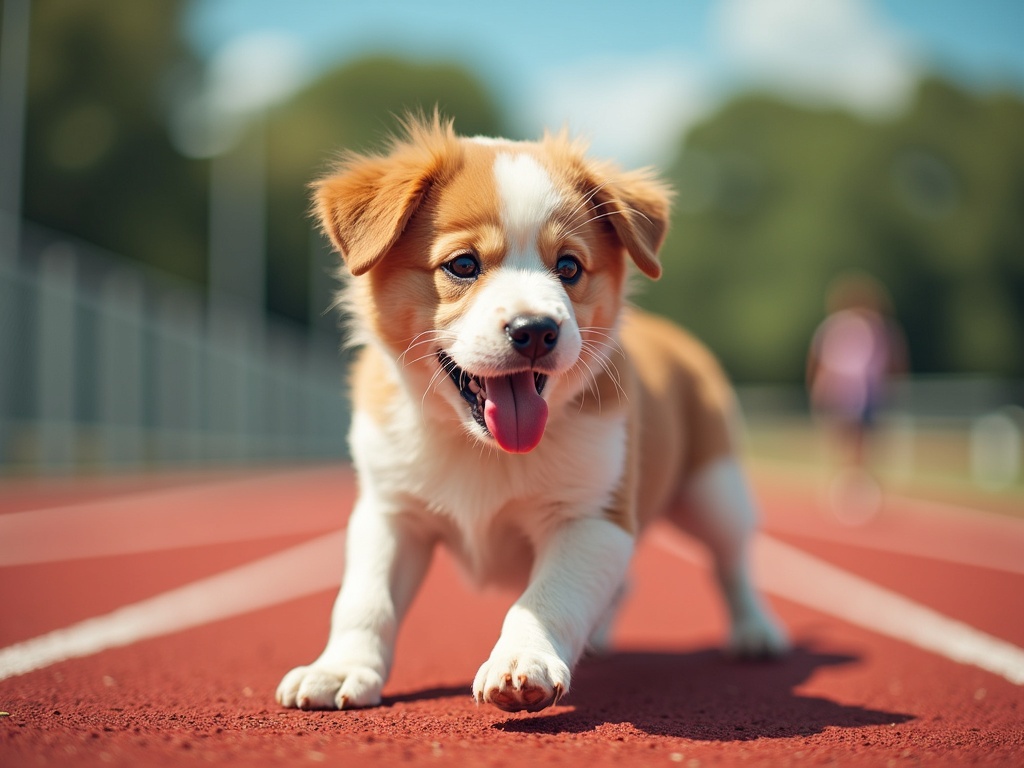
The surface you run on can impact your dog's joints and paws. Avoid running on hot pavement, as it can burn your dog's paws. Opt for softer surfaces like grass, dirt trails, or padded tracks whenever possible.
Weather Conditions
Be mindful of the weather and avoid running in extreme heat or cold. Dogs are more susceptible to heatstroke than humans, so it's important to take precautions in warm weather. Dress appropriately for the weather and consider running in the early morning or late evening when temperatures are cooler. During winter conditions, consider using paw protection during winter runs if there's ice or snow on the ground.
Troubleshooting Common Issues
Even with careful planning, you may encounter some challenges during your dog's couch to 5K program. Here are some tips for troubleshooting common issues.
Pulling on the Leash
If your dog pulls on the leash, try using a front-clip harness, which can help redirect their momentum and make it easier to control them. You can also work on basic obedience commands like heel to teach your dog to walk politely on a leash.
Lack of Motivation
If your dog seems unmotivated, try making the runs more fun by incorporating games or rewards. Bring treats along and reward your dog for good behavior. You can also vary your running routes to keep things interesting.
Injuries
If your dog sustains an injury, such as a sprain or strain, stop running immediately and consult your veterinarian. Follow their recommendations for treatment and rehabilitation.
Beyond the 5K: Maintaining Fitness and Enjoyment
Once your dog has completed the 5K program, it’s important to maintain their fitness and continue to enjoy running together.
Consistency is Key
Continue running regularly to maintain your dog's fitness level. Aim for at least three runs per week, varying the distance and intensity to keep things interesting.
Cross-Training
Incorporate other activities into your dog's routine, such as swimming, hiking, or playing fetch. This will help to improve their overall fitness and prevent boredom.
Listen to Your Dog
Even after completing the 5K program, it's important to continue to listen to your dog's body language and adjust your training accordingly. If they show signs of fatigue or discomfort, stop immediately and allow them to rest.
Have Fun!
Running with your dog should be an enjoyable experience for both of you. Don't put too much pressure on yourselves and focus on bonding and having fun. If you're looking for more organized events to test you and your dog's ability, consider entering a 5k race that allows dogs! [externalLink insert]
The ‘dog couch to 5k program' is more than just a fitness plan – it’s a journey of bonding, health, and shared achievement with your canine companion. Remember to consult your vet, gear up properly, and listen to your dog. With patience, dedication, and a little bit of encouragement, you and your furry friend can conquer that 5K and enjoy a lifetime of happy, healthy runs together. So, lace up those shoes, clip on that leash, and get ready to hit the road!