

Hiking With a Dog For Beginners: A Comprehensive Guide
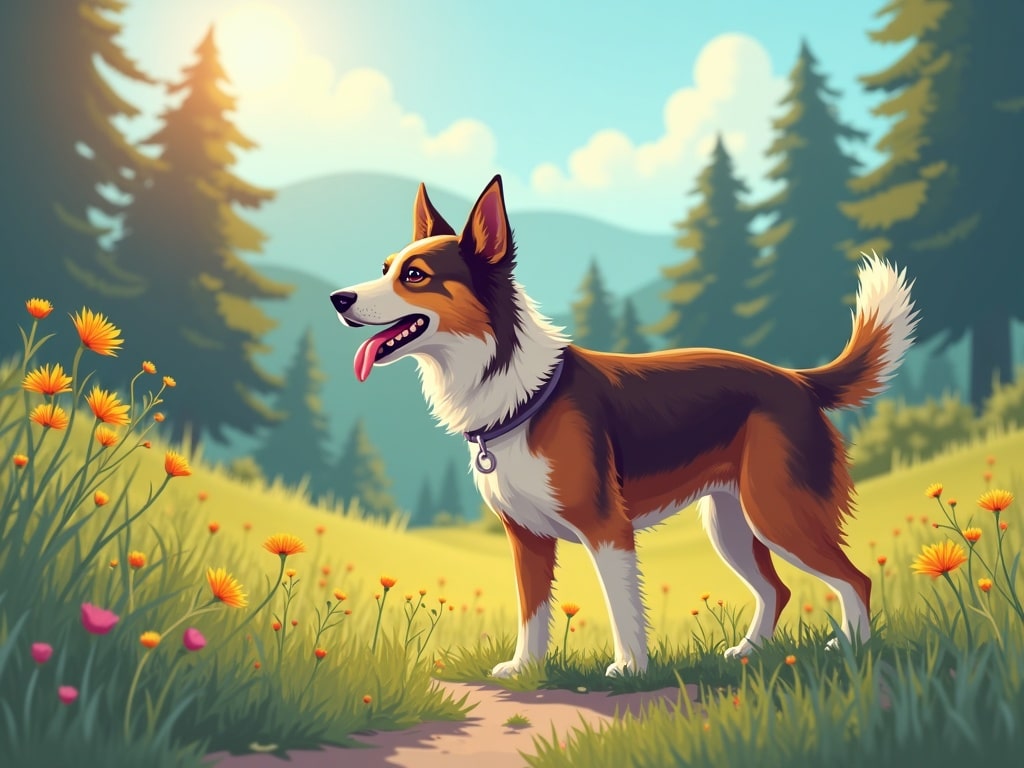
Imagine this: the crisp morning air fills your lungs, the sun filters through the trees, and your best furry friend is bounding happily along the trail beside you. Hiking with your dog is an incredible experience, a chance to bond, explore nature, and get some exercise together. But before you lace up your boots and head for the hills, it's essential to be prepared. This guide will walk you through everything you need to know for a safe and enjoyable hiking experience with your canine companion.
Is Your Dog Ready to Hike? Assessing Fitness and Temperament
Not all dogs are created equal when it comes to hiking. Before hitting the trails, consider your dog's breed, age, health, and temperament.
Breed Considerations
Some breeds, like Huskies, Border Collies, and Australian Shepherds, are naturally built for endurance and thrive on physical activity. Others, like Bulldogs or Pugs, may struggle with longer distances or strenuous terrain due to their brachycephalic (short-nosed) anatomy, which can lead to breathing difficulties. Consider your dog's breed characteristics when planning your hikes.
Age Matters
Puppies are still developing and shouldn't be pushed too hard, as it can damage their growing joints. Senior dogs may have arthritis or other age-related issues that limit their mobility. Consult your vet to determine appropriate activity levels for your dog's age.
Health Check
A visit to the veterinarian is crucial before embarking on any hiking adventures. Your vet can assess your dog's overall health and identify any potential problems that could be exacerbated by hiking, such as heart conditions, hip dysplasia, or respiratory issues. Make sure your dog is up-to-date on vaccinations and parasite prevention.
Temperament and Training
A well-behaved dog is a safe dog on the trail. Your dog should have a solid recall, be able to walk politely on a leash, and be comfortable around other people and dogs. If your dog tends to chase wildlife or has a history of aggression, hiking may not be the right activity for them until these issues are addressed through training.
Essential Gear for Hiking with Your Dog
Just like you need the right gear for hiking, so does your dog. Here's a list of essentials:
- Leash: A standard 6-foot leash is ideal for most situations. Avoid retractable leashes, as they don't provide enough control on the trail.
- Collar or Harness: Choose a comfortable collar or harness with secure identification tags. Microchipping is also highly recommended.
- Dog Backpack (Optional): If your dog is strong and healthy, a dog backpack can be a great way to have them carry their own water, food, and other supplies. Start with a light load and gradually increase the weight as your dog gets used to it.
- Water and a Bowl: Dehydration is a serious concern for dogs on the trail. Carry plenty of water and a collapsible bowl for your dog to drink from.
- Food and Treats: Pack enough food for the hike, plus some extra treats for positive reinforcement.
- Poop Bags: Always clean up after your dog. Pack plenty of poop bags and dispose of them properly.
- First-Aid Kit: A basic first-aid kit for dogs should include antiseptic wipes, bandages, gauze, adhesive tape, scissors, and any medications your dog may need.
- Towel: A small towel is handy for wiping off muddy paws or drying your dog after a swim.
- Tick and Flea Prevention: Protect your dog from ticks and fleas with a veterinarian-recommended product.
Choosing the Right Trail
Selecting the right trail is crucial for a successful hiking experience with your dog. Consider these factors:
Difficulty Level
Start with easy, well-maintained trails that are relatively flat and short. As your dog's fitness improves, you can gradually increase the difficulty and distance of your hikes.
Trail Surface
Avoid trails with sharp rocks or abrasive surfaces that can injure your dog's paws. Softer surfaces like dirt or grass are gentler on their paws.
Water Availability
If you're planning a longer hike, choose a trail with access to water sources where your dog can drink. However, be aware of potential contaminants in natural water sources and consider bringing extra water for your dog.
Regulations and Restrictions
Before heading out, check the trail regulations to ensure that dogs are allowed and if there are any leash laws or other restrictions in place. Some trails may be off-limits to dogs or require them to be leashed at all times.
On the Trail: Safety Tips and Etiquette
Once you're on the trail, keep these safety tips in mind:
Pace Yourself
Don't push your dog too hard, especially in hot weather. Take frequent breaks to allow them to rest and rehydrate. Watch for signs of fatigue, such as excessive panting, lagging behind, or reluctance to continue.
Protect Their Paws
Check your dog's paws regularly for cuts, abrasions, or embedded debris. If the trail surface is particularly rough, consider using dog booties to protect their paws.
Be Aware of Wildlife
Keep a close eye on your dog and be aware of potential wildlife encounters. Keep your dog on a leash to prevent them from chasing animals and potentially getting injured or lost.
Control Your Dog
Keep your dog under control at all times and prevent them from bothering other hikers or wildlife. Yield to other trail users and step aside to allow them to pass.
Leave No Trace
Pack out everything you pack in, including poop bags. Stay on designated trails and avoid disturbing vegetation or wildlife.
Be Mindful of the Weather
Check the weather forecast before you go and be prepared for changing conditions. Avoid hiking during extreme heat or cold.
Potential Hazards and How to Avoid Them
Hiking can present various hazards for dogs. Being aware of these potential dangers and taking precautions can help ensure a safe and enjoyable experience.
Heatstroke
Dogs are more susceptible to heatstroke than humans because they can't sweat as efficiently. Avoid hiking during the hottest part of the day and provide your dog with plenty of water. Watch for signs of heatstroke, such as excessive panting, drooling, weakness, and vomiting. If you suspect your dog has heatstroke, move them to a cool place, offer them water, and seek immediate veterinary attention.
Dehydration
Dehydration can occur quickly, especially during strenuous activity in hot weather. Encourage your dog to drink frequently and carry extra water.
Injuries
Paw injuries, cuts, and sprains are common on the trail. Carry a first-aid kit and be prepared to treat minor injuries. For serious injuries, seek veterinary attention as soon as possible.
Poisonous Plants
Many plants are poisonous to dogs. Learn to identify common poisonous plants in your area, such as poison ivy, poison oak, and foxglove, and keep your dog away from them.
Wildlife Encounters
Encounters with wild animals, such as snakes, bears, or mountain lions, can be dangerous for both you and your dog. Be aware of your surroundings and keep your dog on a leash. Carry bear spray in bear country [externalLink insert].
Ticks and Fleas
Ticks and fleas can transmit diseases to dogs. Use a veterinarian-recommended tick and flea preventative product and check your dog regularly for ticks after hiking.
Cooling Down After the Hike
After your hike, take some time to cool down your dog. Offer them water, wipe them down with a towel, and check them for ticks and injuries.
Hiking with your dog can be an incredibly rewarding experience. By following these tips and taking the necessary precautions, you can create lasting memories and strengthen the bond with your furry friend while enjoying the great outdoors. Now, get out there and explore!