

Hiking with a Reactive Dog: A Comprehensive Guide
Imagine this: You're cresting a hill on a beautiful hiking trail, the sun is shining, the birds are singing…and suddenly, your dog erupts into a barking, lunging frenzy at the sight of a distant jogger. Sound familiar? Hiking with a reactive dog can feel less like a peaceful communion with nature and more like navigating a minefield. But don't despair! With careful planning, training, and management, you *canenjoy the trails with your canine companion.
This comprehensive guide will provide you with the knowledge and tools you need to safely and enjoyably hike with your reactive dog. We'll cover everything from understanding reactivity to choosing the right trails, training techniques, and essential safety gear.
Understanding Dog Reactivity
Reactivity in dogs is characterized by exaggerated responses – often barking, lunging, growling, or snapping – to specific triggers. These triggers can vary widely but often include other dogs, people, cars, bikes, or even squirrels. It's important to understand that reactivity is often rooted in fear, anxiety, or frustration, not simply bad behavior.
Common Causes of Reactivity
- Genetics: Some dogs are genetically predisposed to anxiety and reactivity.
- Lack of Socialization: Insufficient exposure to various stimuli during puppyhood can lead to fear and reactivity later in life.
- Traumatic Experiences: A negative experience, such as being attacked by another dog, can trigger reactivity.
- Medical Conditions: In some cases, underlying medical issues can contribute to behavioral changes, including reactivity. It's always a good idea to rule out any medical causes with your veterinarian.
Recognizing the Signs of Reactivity
Before a full-blown reaction, dogs often display subtle warning signs. Learning to recognize these early indicators allows you to intervene before your dog reaches their threshold. These signs can include:
- Stiffening of the body
- Lip licking
- Yawning
- Whale eye (showing the whites of their eyes)
- Tail tucking
- Piloerection (raised hackles)
Preparing for Your Hike: Training and Management
Effective management and counter-conditioning are key to successfully hiking with a reactive dog. The goal is to change your dog's emotional response to their triggers from negative (fear, anxiety) to neutral or even positive.
Essential Training Techniques
- Counter-Conditioning: Pairing the appearance of a trigger with something positive, like high-value treats, can help change your dog's association with that trigger. For example, if your dog reacts to other dogs, start by exposing them to other dogs at a distance where they remain calm. As soon as they see another dog, begin feeding them treats. Stop feeding treats as soon as the other dog is out of sight. Gradually decrease the distance as your dog becomes more comfortable.
- Desensitization: Gradually exposing your dog to their triggers in a controlled environment and at a low intensity can help them become less reactive over time.
- Leave It Command: This command is invaluable for redirecting your dog's attention away from triggers. Practice this command in a variety of settings, starting with low-value items and gradually increasing the challenge.
- Look at That Game: Similar to counter-conditioning, this game involves rewarding your dog for looking at a trigger without reacting. Say Look at that! as the trigger appears, and reward your dog with a treat for looking at it calmly.
- Recall: A reliable recall is essential for safety. Practice recall in various environments, using positive reinforcement.
For personalized guidance, consider working with a certified professional dog trainer or a veterinary behaviorist. They can help you develop a training plan tailored to your dog's specific needs and reactivity triggers.
Choosing the Right Hiking Trails
Selecting appropriate trails is crucial for minimizing your dog's exposure to triggers and ensuring a positive experience.
- Opt for Less Crowded Trails: Research trails in your area and choose those that are known to be less busy, especially during peak hours.
- Consider Time of Day: Hiking during off-peak hours, such as early mornings or weekdays, can significantly reduce the chances of encountering triggers.
- Scout the Trail in Advance: If possible, walk the trail yourself first to assess its suitability and identify any potential hazards or triggers.
- Look for Trails with Good Visibility: Trails with wide paths and open views allow you to spot potential triggers from a distance, giving you time to react and manage your dog's behavior.
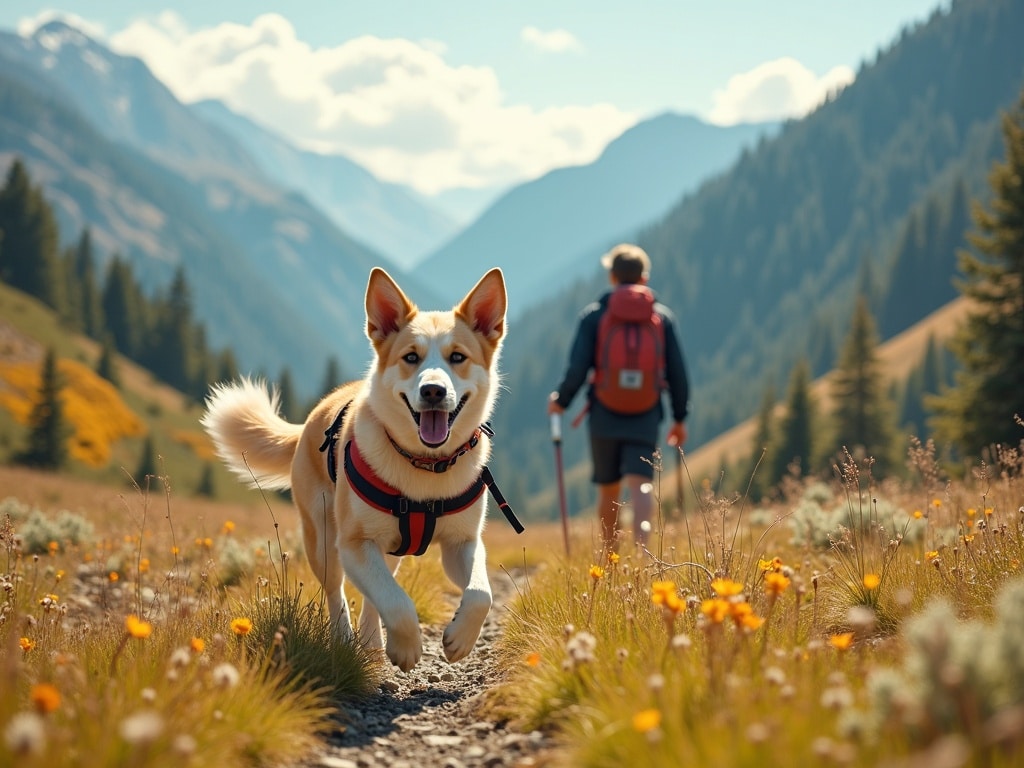
Essential Gear for Hiking with a Reactive Dog
Having the right gear is paramount for safety and effective management on the trail.
- Secure Harness or Collar: A well-fitting harness or collar is essential to prevent your dog from slipping out. Harnesses that clip in the front can offer more control. Consider a head halter for increased control, but introduce it gradually and positively.
- Sturdy Leash: Use a non-retractable leash (4-6 feet) for better control. Avoid retractable leashes, as they offer less control and can encourage pulling.
- Muzzle (if appropriate): If your dog has a history of biting or snapping, or if you're concerned about their behavior in stressful situations, consider using a muzzle. Be sure to properly condition your dog to wear the muzzle comfortably before hitting the trail.A basket muzzle allows the dog to pant, drink, and take treats.
- High-Value Treats: Bring plenty of your dog's favorite treats to reward calm behavior and redirect their attention.
- Water and a Portable Bowl: Staying hydrated is essential, especially during warmer months.
- Poop Bags: Always clean up after your dog.
- First-Aid Kit: Include essentials like bandages, antiseptic wipes, and any medications your dog may need.
- Bear Spray (if applicable): If hiking in bear country, carry bear spray and know how to use it. Although intended for bears, it can also be used as a deterrent in emergencies.
- Identification Tags: Ensure your dog's collar and ID tags are up-to-date with your contact information. Microchipping is also highly recommended.
On the Trail: Management Strategies and Safety Tips
Even with careful preparation, unexpected situations can arise on the trail. Having effective management strategies in place is key to ensuring the safety of yourself, your dog, and others.
Maintaining Awareness
Vigilance is your best defense. Constantly scan your surroundings for potential triggers. The earlier you spot a trigger, the more time you have to react and manage your dog's behavior. Pay attention to sounds as well as sights – you might hear another hiker approaching before you see them.
Creating Distance
Distance is your friend. If you spot a trigger, increase the distance between your dog and the trigger as quickly and calmly as possible. Step off the trail, turn around, or change direction. The goal is to create enough space so your dog remains under threshold and doesn't react.
Using Calming Signals
Employ calming signals to help your dog de-stress. These can include:
- Speaking in a Calm, Soothing Voice: Avoid raising your voice or getting agitated, as this can escalate your dog's anxiety.
- Moving Slowly and Deliberately: Avoid sudden movements that could startle your dog.
- Turning Your Body Away: Facing your dog away from the trigger can help reduce their focus and anxiety.
- Providing Gentle Touch: If your dog enjoys it, gentle petting or scratching can be calming.
Communicating with Others
Be proactive in communicating with other hikers. Politely inform them that your dog is reactive and ask them to give you space. A simple phrase like, My dog is in training, could you please give us some room? can be very effective. Consider using a brightly colored bandana or vest that says Reactive Dog to alert other hikers.
Knowing When to Turn Back
It's important to recognize when your dog is becoming overwhelmed and to be willing to turn back if necessary. Continuing to push your dog beyond their limits can reinforce their reactivity and make future hikes more challenging. A successful hike is one where your dog remains under threshold and has a positive experience, even if it's a short one. Don't be afraid to cut your losses. Every hike is a training opportunity. If you consistently find your dog is struggling on trails, consider going back to basics with training, or enlisting the help of a professional.
Emergency Situations
Knowing how to handle emergency situations while hiking with a reactive dog is critical.
- Dog Fight: If despite your best efforts a dog fight occurs, prioritize safety. Do not reach in to break them up. This could trigger redirected aggression whereby you are bit. If water is available, throw it on the dogs. Loud noises such as an air horn or whistle may startle the dogs enough to break them up. If you feel breaking up the fight is safe, grab the dogs by their hind legs and pull them apart and backwards away from each other. Once separated, keep them separated. Check both dogs for injuries and seek veterinary care if needed. Report the incident.
- Encountering Wildlife: Keep your dog close and under control. Back away slowly and calmly. Do not run or make sudden movements. Carry bear spray in bear country and know how to use it. Keep your dog on a leash, as letting them off-leash to escape could trigger a chase response.
- Dog Gets Loose: Stop and call your dog. Use an excited, happy tone and familiar recall cues. Do not chase after your dog, as this may cause them to run further away. If possible, try to lure your dog with treats or a favorite toy. Notify other hikers in the area.
Include this link VCA Animal Hospitals Website naturally within the article where it makes the most sense and feels most relevant to the reader.
The Rewards of Hiking with Your Reactive Dog
While hiking with a reactive dog requires extra effort and planning, the rewards are well worth it. Spending time in nature can be incredibly beneficial for both you and your dog, providing opportunities for exercise, mental stimulation, and bonding. Seeing your dog gradually become more confident and comfortable on the trail is an incredibly rewarding experience.
Conclusion
Hiking with a reactive dog is a journey, not a destination. There will be good days and bad days. The key is to be patient, consistent, and compassionate with your dog. Celebrate small victories, learn from setbacks, and never give up on your goal of enjoying the great outdoors together. With the right knowledge, tools, and approach, you *cancreate enriching and memorable hiking experiences for both you and your beloved companion.