
How to Build Your Dog's Stamina: A Comprehensive Guide
Imagine your dog bounding effortlessly through the park, keeping pace with you on a long hike, or joyfully participating in agility training without tiring. Building your dog's stamina isn't just about physical activity; it's about enhancing their overall health, happiness, and longevity. Just like humans, dogs benefit immensely from a well-structured fitness plan tailored to their individual needs. This guide will provide you with the knowledge and tools necessary to gradually and safely improve your dog's endurance, ensuring they can enjoy an active lifestyle for years to come.
Why Building Stamina Matters for Your Dog
Stamina, or endurance, is a dog's ability to sustain physical activity over an extended period. It's more than just being able to chase a ball for five minutes; it's about having the cardiovascular and muscular strength to handle longer walks, hikes, runs, and play sessions. Building stamina offers a multitude of benefits for your canine companion:
- Improved Cardiovascular Health: Regular exercise strengthens the heart and improves blood circulation, reducing the risk of heart disease.
- Weight Management: Increased activity helps burn calories and maintain a healthy weight, preventing obesity-related health problems.
- Stronger Muscles and Bones: Exercise builds muscle mass and bone density, improving strength and reducing the risk of injuries.
- Increased Energy Levels: A dog with good stamina will have more energy throughout the day, leading to a more playful and engaged demeanor.
- Reduced Behavioral Issues: Exercise helps relieve boredom and pent-up energy, reducing the likelihood of destructive behaviors like chewing or excessive barking.
- Enhanced Mental Well-being: Physical activity releases endorphins, which have mood-boosting effects, promoting a happier and more relaxed dog.
Assessing Your Dog's Current Fitness Level
Before embarking on any stamina-building program, it's crucial to assess your dog's current fitness level. This will help you tailor the program to their individual needs and avoid overexertion, which can lead to injuries. Consider the following factors:
- Age: Puppies and senior dogs have different stamina requirements than adult dogs. Puppies are still developing, while senior dogs may have age-related limitations.
- Breed: Some breeds are naturally more athletic and have higher stamina potential than others. For example, Border Collies and Huskies are known for their endurance, while Bulldogs may tire more easily.
- Current Activity Level: How much exercise does your dog currently get? Are they mostly sedentary, or do they already engage in regular physical activity?
- Health Conditions: Does your dog have any underlying health conditions, such as arthritis, hip dysplasia, or heart problems? Consult with your veterinarian before starting any exercise program.
- Weight: Overweight dogs will need to start with a more gradual program to avoid putting excessive strain on their joints.
Observe your dog during playtime or walks. Do they tire quickly? Are they panting excessively or lagging behind? These are signs that their current stamina level is low. A healthy dog should be able to complete a moderate walk without excessive fatigue.
Consulting with Your Veterinarian
This is perhaps the most critical step. Before starting any new exercise program for your dog, it’s essential to consult with your veterinarian. They can assess your dog's overall health and identify any potential limitations or health concerns that may affect their ability to exercise. Your vet can also provide recommendations for appropriate exercises and intensity levels based on your dog's breed, age, and health status. Ignoring this step could lead to injuries or exacerbate existing health problems. Regular check-ups are also important to monitor your dog's progress and make adjustments to their fitness plan as needed.
Creating a Gradual Stamina-Building Program
The key to building your dog's stamina safely and effectively is to progress gradually. Avoid the temptation to push them too hard, too soon, as this can lead to injuries and setbacks. Here's a step-by-step approach:
1. Start with Short, Frequent Walks
Begin with short, frequent walks, gradually increasing the duration and intensity over time. For example, if your dog is currently only walking for 15 minutes, increase it to 20 minutes after a week, then 25 minutes the following week. Aim for consistency, walking your dog at least once a day, and preferably twice.
2. Incorporate Hill Work
Walking uphill is a great way to build cardiovascular fitness and strengthen leg muscles. Start with gentle slopes and gradually increase the steepness as your dog gets stronger. Make sure your dog is walking, not running, uphill to avoid overexertion.
3. Introduce Interval Training
Interval training involves alternating between periods of high-intensity activity and periods of rest or low-intensity activity. This is a highly effective way to improve stamina and cardiovascular fitness. For example, you could have your dog run at a moderate pace for one minute, then walk for two minutes, repeating this cycle for 20-30 minutes.
4. Consider Swimming
Swimming is a low-impact exercise that's easy on the joints, making it a great option for dogs with arthritis or other joint problems. It's also an excellent way to build cardiovascular fitness and muscle strength. If your dog enjoys swimming, incorporate it into their exercise routine regularly.
5. Off-Leash Activities (When Safe and Appropriate)
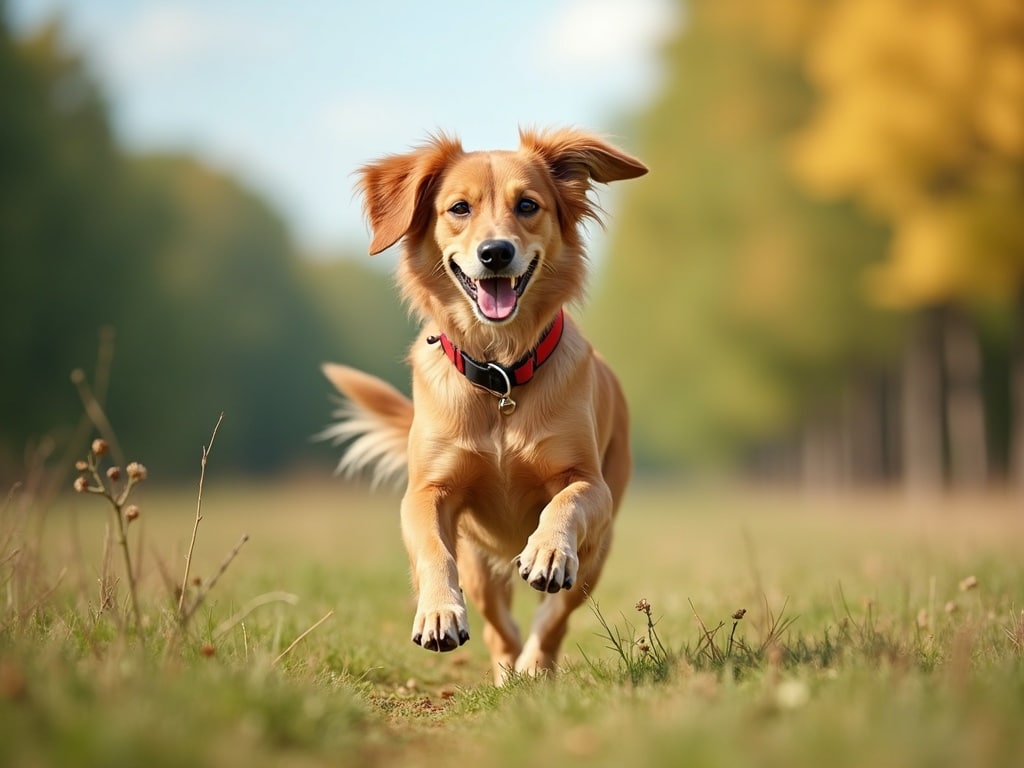
Allowing your dog to run and play off-leash in a safe, enclosed area is a great way to burn energy and improve their stamina. Fetch, frisbee, and playing with other dogs are all excellent options. Make sure the area is free of hazards and that your dog has good recall before letting them off-leash.
6. Increase Duration, Not Intensity, Too Quickly
Focus on gradually increasing the duration of your dog's workouts before significantly increasing the intensity. This allows their body to adapt to the increased demands and reduces the risk of injury. For example, instead of immediately starting to run long distances, focus on increasing the length of your walks first.
Monitoring Your Dog's Progress and Adjusting the Program
Pay close attention to your dog's body language and energy levels during and after exercise. Signs of overexertion include:
- Excessive panting
- Lethargy or weakness
- Stumbling or staggering
- Reluctance to continue
- Lameness
If you notice any of these signs, stop the exercise immediately and allow your dog to rest. Reduce the intensity or duration of their next workout. It's always better to err on the side of caution and avoid pushing your dog too hard. Keep a journal to track your dog's progress, noting the duration and intensity of their workouts, as well as any signs of fatigue or discomfort. This will help you identify patterns and make adjustments to their program as needed. As your dog's stamina improves, you can gradually increase the duration and intensity of their workouts. Remember to continue monitoring their body language and energy levels to ensure they're not being overexerted.
Nutrition and Hydration for Optimal Stamina
Proper nutrition and hydration are essential for building and maintaining your dog's stamina. A well-balanced diet provides the energy and nutrients they need to fuel their workouts and recover properly.
1. Choose a High-Quality Dog Food
Select a dog food that's formulated for active dogs and contains a high percentage of protein and healthy fats. Protein is essential for building and repairing muscle tissue, while healthy fats provide sustained energy.
2. Adjust Food Portions Based on Activity Level
Active dogs need more calories than sedentary dogs. Adjust your dog's food portions based on their activity level, ensuring they're getting enough fuel to support their workouts. Consult with your veterinarian to determine the appropriate calorie intake for your dog.
3. Provide Plenty of Fresh Water
Dehydration can significantly impact your dog's stamina and performance. Always provide plenty of fresh, clean water, especially before, during, and after exercise. Consider carrying a portable water bottle and bowl on walks or hikes.
4. Consider Supplements (With Vet Approval)
In some cases, supplements may be beneficial for active dogs, such as those containing glucosamine and chondroitin for joint support or omega-3 fatty acids for reducing inflammation. However, it's essential to consult with your veterinarian before giving your dog any supplements to ensure they're safe and appropriate. Read up on the benefits of pet supplements: [externalLink insert]
Stamina-Building Exercises Beyond the Basics
While walking, running, and swimming are excellent foundational exercises, variety can keep your dog engaged and prevent boredom. Consider incorporating these additional activities:
Agility Training
Agility training involves navigating a course of obstacles, such as jumps, tunnels, and weave poles. This is a great way to build stamina, improve coordination, and strengthen the bond between you and your dog.
Flyball
Flyball is a team sport where dogs race over hurdles to retrieve a ball from a box and return to their handler. It's a high-energy activity that's great for building stamina and improving speed.
Hiking
Hiking on varied terrain is an excellent way to challenge your dog physically and mentally. The uneven ground strengthens different muscle groups and provides a stimulating experience.
Scent Work
Scent work involves training your dog to locate specific scents, such as essential oils or hidden objects. While it may not seem like a strenuous activity, scent work can be surprisingly tiring for dogs, as it requires focus and concentration.
The Importance of Rest and Recovery
Rest and recovery are just as important as exercise when it comes to building your dog's stamina. Overtraining can lead to injuries, fatigue, and a decline in performance. Ensure your dog gets adequate rest between workouts to allow their body to recover and rebuild.
1. Provide a Comfortable Sleeping Environment
Make sure your dog has a comfortable and quiet place to sleep where they can rest undisturbed.
2. Avoid Overtraining
Don't push your dog too hard, too soon. Gradually increase the intensity and duration of their workouts, allowing their body to adapt.
3. Incorporate Rest Days
Schedule regular rest days into your dog's fitness program. On rest days, avoid strenuous activities and focus on gentle walks or playtime.
4. Monitor for Signs of Fatigue
Pay close attention to your dog's body language and energy levels. If they seem tired or lethargic, reduce the intensity or duration of their workouts and provide more rest.
Conclusion: A Marathon, Not a Sprint
Building your dog's stamina is a journey, not a destination. It requires patience, consistency, and a commitment to tailoring the program to your dog's individual needs. By following the guidelines outlined in this guide, you can safely and effectively improve your dog's endurance, enhancing their overall health, happiness, and quality of life. Remember to consult with your veterinarian, progress gradually, monitor your dog's progress, and provide adequate rest and recovery. With dedication and care, you can help your canine companion enjoy an active and fulfilling lifestyle for years to come.