
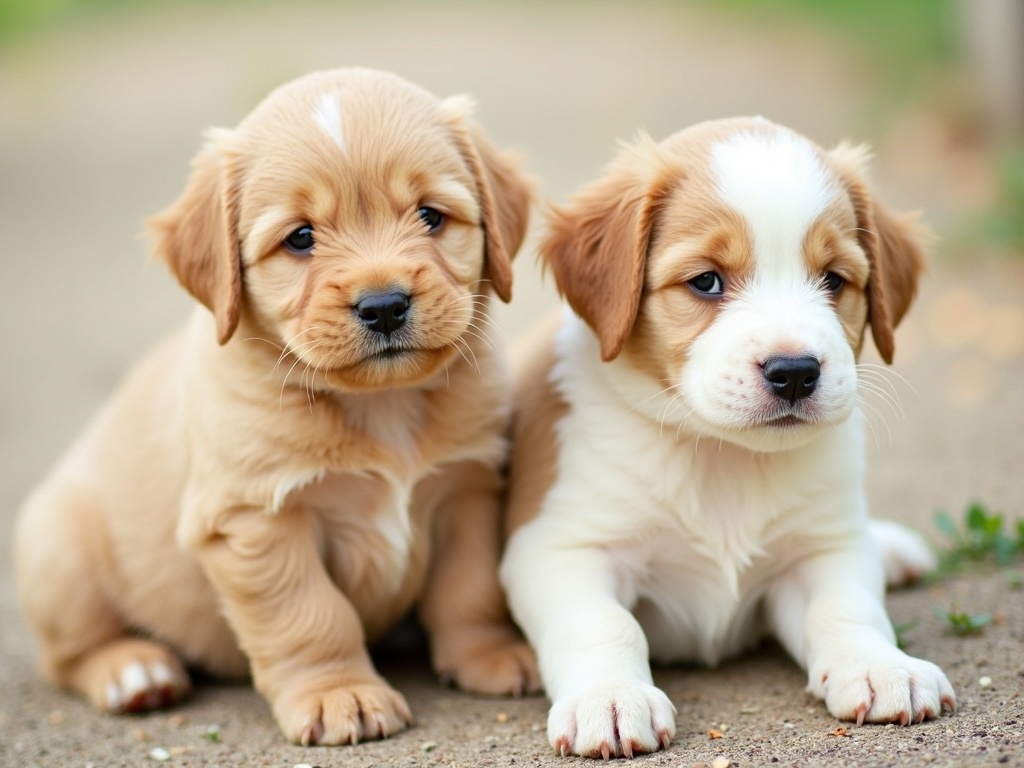
How to House Train a Puppy Quickly: A Comprehensive Guide
Bringing a new puppy home is a joyous occasion, filled with cuddles, playful nips, and the pitter-patter of tiny paws. However, amidst the excitement, there’s the inevitable challenge of house training. The good news? With consistency, patience, and the right approach, you can teach your furry friend where and when to relieve themselves, creating a harmonious and clean living environment for both of you. This comprehensive guide dives into effective and positive methods to house train your puppy quickly and efficiently.
Understanding Puppy Potty Habits
Before diving into training techniques, it's crucial to understand a puppy’s physiology and habits. Puppies have small bladders and less control over their bowel movements than adult dogs. This means more frequent potty breaks are necessary. Here's what to keep in mind:
- Age Matters: A general rule of thumb is that a puppy can hold their bladder for approximately one hour per month of age. So, a three-month-old puppy might be able to hold it for about three hours. However, this can vary.
- Frequency: Expect to take your puppy out every 2-3 hours, especially when they are young.
- After Waking Up: Puppies almost always need to eliminate shortly after waking up from a nap or a full night's sleep.
- After Eating and Drinking: Feeding and hydration stimulate their digestive system, leading to the need to eliminate soon after.
- After Playtime: Excitement and physical activity can also prompt the urge to go.
Setting Up a Routine for Success
Consistency is key to quick and successful house training. Establishing a predictable routine helps your puppy understand when and where they are expected to relieve themselves. Here’s how to establish a solid routine:
- Designated Potty Spot: Choose a specific outdoor location for your puppy to use. The scent will encourage them to eliminate there.
- Take Puppy Out Frequently: As mentioned earlier, frequent trips outside are crucial. Take your puppy out first thing in the morning, after naps, after meals, after playtime, and before bedtime.
- Use a Command: When you take your puppy to their designated spot, use a specific command, such as Go potty or Do your business. This will eventually become a cue for them to eliminate.
- Wait Patiently: Give your puppy a few minutes to do their business. Avoid playing or distracting them. If they don't go after a few minutes, take them back inside and try again in 20-30 minutes.
- Reward Immediately: As soon as your puppy eliminates outside, praise them enthusiastically and offer a small, tasty treat. Timing is crucial – the reward must be given within seconds of them finishing. This positive reinforcement will strengthen the association between eliminating outside and receiving a reward.
Positive Reinforcement Techniques
Positive reinforcement is the most effective and humane method for house training. It involves rewarding desired behaviors to encourage your puppy to repeat them. Here's how to implement positive reinforcement effectively:
- Praise and Treats: As mentioned above, immediate praise and treats are essential. Use a happy, enthusiastic tone of voice when praising your puppy.
- Avoid Punishment: Never punish your puppy for accidents inside the house. This can create fear and anxiety, making them less likely to eliminate in front of you, and ultimately hindering the training process. Punishment can also damage your relationship with your puppy.
- Clean Accidents Thoroughly: If your puppy has an accident inside, clean it up immediately and thoroughly with an enzymatic cleaner designed to eliminate pet odors. This will prevent them from being attracted to the same spot again.
Crate Training as a House Training Aid
Crate training can be a valuable tool in house training, as dogs naturally avoid eliminating where they sleep. However, it's important to use a crate humanely and responsibly. The crate should never be used as a punishment. Here’s how to use crate training effectively:
- Introduce the Crate Positively: Make the crate a comfortable and inviting space for your puppy. Place soft bedding, toys, and treats inside. Encourage them to enter the crate voluntarily.
- Gradual Acclimation: Start by feeding your puppy their meals inside the crate with the door open. Gradually increase the time they spend in the crate with the door closed.
- Appropriate Crate Size: The crate should be just large enough for your puppy to stand up, turn around, and lie down comfortably. If the crate is too large, they may be tempted to eliminate in one corner.
- Supervise Crate Time: Never leave your puppy in the crate for extended periods, especially when they are young. They need frequent potty breaks. A good rule of thumb is to not exceed their age in months as the maximum hours in the crate (e.g., 3 months old = no more than 3 hours).
- Potty Breaks After Crate Time: Always take your puppy outside for a potty break immediately after they come out of the crate.

Dealing with Setbacks During House Training
Accidents happen, and it’s important to be prepared and react constructively. A setback doesn't mean your puppy isn't learning; it simply means they need more guidance and consistency. Keep these points in mind:
- Don't Panic: Remain calm and patient. Getting frustrated will only make the situation worse.
- Re-evaluate Your Routine: Are you taking your puppy out frequently enough? Are you rewarding immediately after they eliminate outside? Do you need to supervise them more closely indoors?
- Rule Out Medical Issues: If your puppy is suddenly having frequent accidents, it’s important to rule out any underlying medical conditions. Consult with your veterinarian to ensure there are no health issues contributing to the problem.
- Consider a Professional Trainer: If you're struggling with house training despite your best efforts, don't hesitate to seek guidance from a certified professional dog trainer or behaviorist. They can provide personalized advice and address any specific challenges you’re facing.
Supervision and Confinement
Supervision is crucial, especially in the early stages of house training. You need to be able to recognize the signs that your puppy needs to go outside. When you can't actively supervise, confine your puppy to a safe and easily cleanable area, such as a crate or a puppy-proofed room. Here's how to approach supervision and confinement:
- Watch for Signs: Learn to recognize the signs that your puppy needs to eliminate, such as circling, sniffing, squatting, or going to the door.
- Constant Supervision: When your puppy is not in their crate or confined area, keep them within your sight. This allows you to interrupt any accidents and redirect them outside.
- Tethering: Consider tethering your puppy to you with a leash while you're indoors. This allows you to keep a close eye on them and prevents them from wandering off and having accidents.
- Puppy-Proofed Room: When you can't actively supervise, confine your puppy to a puppy-proofed room with easily cleanable floors. Provide them with toys, water, and a comfortable bed.
Addressing Common House Training Challenges
Even with the best efforts, some challenges can arise during house training. Here are some common issues and how to address them:
- Puppy Eliminates Immediately After Coming Inside: This can be frustrating. Try taking your puppy back outside immediately and waiting a few more minutes. You might also try a slightly longer walk before bringing them back inside.
- Puppy Only Eliminates on Certain Surfaces: Some puppies develop preferences for certain surfaces, such as grass, concrete, or carpet. Try placing a piece of the preferred surface in their designated potty spot. Gradually remove the preferred surface as they become more comfortable eliminating on the regular surface.
- Puppy Has Accidents at Night: Limit water intake before bedtime and ensure your puppy has an opportunity to eliminate right before going to sleep. If accidents persist, consider setting an alarm and taking them out for a potty break in the middle of the night.
- Submissive Urination: Some puppies urinate when they are excited or feel intimidated. Avoid scolding or punishing them, as this will only worsen the problem. Instead, greet them calmly and avoid direct eye contact. Encourage them to approach you on their own terms.
The Importance of Patience and Consistency
House training takes time and effort. There will be good days and bad days. The most important thing is to remain patient, consistent, and positive. Your puppy is learning, and with your guidance and support, they will eventually master the art of house training. Remember to celebrate small victories and focus on building a strong bond with your furry friend.
House training is only one part of raising a well-behaved dog. Don't forget the importance of socialization during the first few months of their life. Check out this helpful resource on puppy socialization to learn more.
Long-Term Management
Even after your puppy is reliably house trained, continue to reinforce good habits. Regular potty breaks, praise for eliminating outside, and consistent routines will help prevent accidents and maintain a clean and happy home. Remember, even adult dogs can have occasional accidents, especially if they are sick or under stress.
Consider using a indoor dog potty system to make training easier and prevent accidents inside.
Conclusion
House training a puppy quickly requires understanding, patience, consistency, and a positive approach. By establishing a routine, using positive reinforcement, and addressing challenges constructively, you can successfully teach your puppy where and when to eliminate. Enjoy the process of bonding with your new furry friend, and remember that every puppy learns at their own pace. With dedication and love, you’ll have a well-trained companion who brings joy and cleanliness to your home for years to come.