

Introducing Your Dog to the Water: A Guide to Safe and Fun Aquatic Adventures
Does your dog shy away from puddles, or do they excitedly leap into every body of water they see? Whether you have a hesitant land-lover or a potential aquatic athlete, introducing your dog to the water requires patience, understanding, and a focus on positive experiences. This comprehensive guide will walk you through the steps to safely and enjoyably introduce your canine companion to the wonders of water, turning apprehensive pups into confident swimmers. Let's dive in!
Understanding Your Dog's Personality
Before you even think about getting your dog wet, it's crucial to understand their individual personality and past experiences. Just like humans, dogs have different temperaments and comfort levels. Some are naturally curious and adventurous, while others are more cautious and reserved.
**Consider Breed:Certain breeds, like Labrador Retrievers and Portuguese Water Dogs, are genetically predisposed to enjoying water. Others, like Bulldogs or Pugs, may struggle due to their body structure.
**Assess Past Experiences:Has your dog had any negative experiences with water, such as being forced into a bath or slipped on a wet surface? These experiences can create fear and anxiety.
**Start Slow:Regardless of breed or past experiences, always start slow and let your dog set the pace. Never force them into the water.
The First Steps: Building Positive Associations
The key to a successful introduction to water is creating positive associations. This means making the experience fun, rewarding, and free of pressure.
1. **Start on Dry Land:Begin by getting your dog comfortable around water in a controlled environment. This could be a kiddie pool in your backyard, a shallow stream, or even just a wet towel.
2. **Positive Reinforcement:Use treats, toys, and praise to reward your dog for approaching the water. Encourage them to sniff, paw, and explore at their own pace.
3. **Make it a Game:Turn the experience into a game. Toss a ball near the water's edge and encourage your dog to retrieve it. Gradually move the ball closer to the water.
4. **Keep it Short:Keep the initial sessions short and sweet. End on a positive note before your dog gets tired or overwhelmed.
Moving into Shallow Water
Once your dog is comfortable around water on dry land, you can start introducing them to shallow water.
1. **Choose the Right Location:Select a location with calm, shallow water, like a lake with a gentle sloping shoreline or a designated dog-friendly beach. Avoid areas with strong currents, waves, or hazardous debris.
2. **Wade in Together:Enter the water first and encourage your dog to follow. Use a happy, encouraging tone of voice and offer plenty of praise and treats.
3. **Let Them Explore:Allow your dog to explore the water at their own pace. Don't force them to go deeper than they are comfortable with.
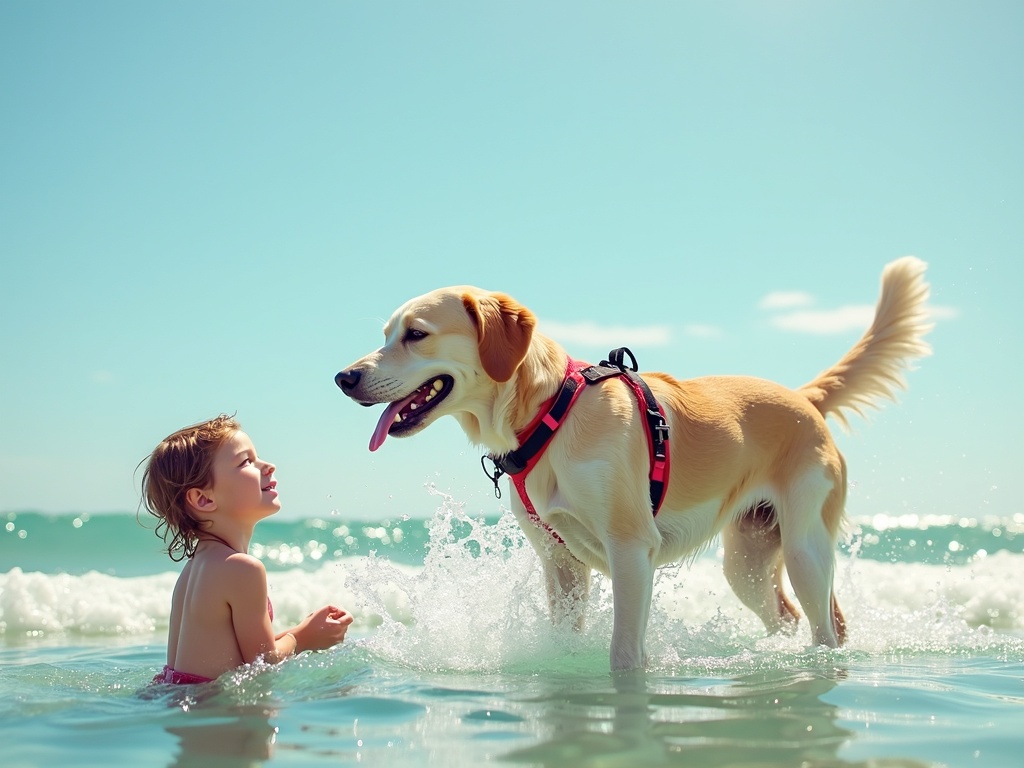
4. **Focus on Fun:Keep the experience fun and positive. Play fetch, splash around, and let your dog enjoy themselves.
Teaching Basic Swimming Skills
If your dog seems comfortable in shallow water, you can start teaching them basic swimming skills.
1. **Support Their Body:When your dog first enters deeper water, support their body under their belly. This will help them feel more secure and confident.
2. **Encourage Paddling:Gently encourage them to paddle with their front legs. Use a toy or treat to lure them forward.
3. **Keep it Short and Supervised:Keep these initial swimming sessions very short and always supervise your dog closely.
4. **Consider a Dog Life Vest:Especially for breeds not naturally inclined to swim, a dog life vest can provide added buoyancy and security as they learn.
Addressing Common Concerns and Fears
Some dogs may be naturally hesitant or fearful of water. Here's how to address some common concerns:
**Fear of Getting Wet:If your dog is afraid of getting wet, start by simply splashing a little water on them and offering praise. Gradually increase the amount of water over time.
**Fear of Slipping:Some dogs are afraid of slipping on wet surfaces. Provide secure footing by using a non-slip mat or towel near the water's edge.
**Anxiety About Deep Water:If your dog is anxious about deep water, start in shallow water and gradually increase the depth as they become more comfortable. Never force them to go deeper than they are comfortable with.
**Introduce a Confident Dog Friend:Sometimes, seeing another dog happily swimming can encourage a hesitant pup to give it a try. Ensure the other dog is well-behaved and enjoys the water.
Safety First: Essential Precautions
Before taking your dog to the water, it's crucial to take some safety precautions.
**Check the Water Quality:Make sure the water is clean and free of pollutants, algae blooms, or other hazards. Avoid water sources with strong odors or discoloration. [externalLink insert]
**Be Aware of Currents and Tides:Check the current and tide conditions before entering the water. Avoid areas with strong currents or tides, especially if your dog is not a strong swimmer.
**Supervise Closely:Always supervise your dog closely when they are in or around water. Even strong swimmers can get into trouble.
**Provide Plenty of Fresh Water:Make sure your dog has access to plenty of fresh water to drink. Saltwater and chlorinated water can cause dehydration.
**Rinse After Swimming:Rinse your dog off with fresh water after swimming, especially in saltwater or chlorinated water. This will help prevent skin irritation and remove any dirt or debris.
**Check for Injuries:After swimming, check your dog for any injuries, such as cuts, scrapes, or paw pad damage.
Fun Activities to Enjoy with Your Water-Loving Dog
Once your dog is a confident swimmer, there are many fun activities you can enjoy together.
**Fetch:Play fetch with a floating toy.
**Swimming Laps:Swim laps alongside your dog.
**Paddleboarding or Kayaking:Take your dog paddleboarding or kayaking. Make sure they wear a life vest and are comfortable on the board or kayak.
**Dock Diving:If your dog is adventurous, consider dock diving. This sport involves jumping off a dock into a pool or lake.
Essential Gear for Water Adventures
To ensure your dog's safety and comfort during water adventures, consider investing in some essential gear.
**Dog Life Vest:A dog life vest is a must-have, especially for dogs who are not strong swimmers or will be in deep water.
**Floating Toys:Floating toys like balls, frisbees, and bumpers are great for playing fetch in the water.
**Dog Towel:A quick-drying dog towel will help you dry your dog off after swimming.
**Dog Shampoo:Use a gentle dog shampoo to remove salt, chlorine, or dirt from your dog's coat after swimming.
**Water Bowl:Bring a portable water bowl to ensure your dog has access to fresh water.
Conclusion: Building a Lifelong Love of Water
Introducing your dog to the water can be a rewarding and enriching experience for both of you. By following these tips and taking a patient, positive approach, you can help your dog develop a lifelong love of water and enjoy countless aquatic adventures together. Remember to always prioritize safety, respect your dog's comfort level, and make the experience fun and enjoyable for everyone involved. Now, go out there and make a splash!