

Making Your Balcony Safe for a Small Dog: A Comprehensive Guide
Imagine the sun warming your face, a gentle breeze rustling through your hair, and the happy tail wags of your small dog as they enjoy the balcony view alongside you. But beneath that idyllic image lies a crucial responsibility: ensuring your balcony is a safe haven, not a hazard, for your furry friend. Small dogs, with their curious nature and sometimes reckless abandon, require specific safety measures to prevent accidents. This comprehensive guide will walk you through everything you need to know about making a balcony safe for a small dog.
Understanding the Risks: Why Balcony Safety Matters for Small Dogs
Balconies present several potential dangers to small dogs that owners need to be aware of. Their petite size allows them to squeeze through openings we might not even notice, and their adventurous spirits can lead them to take risks they shouldn't.
**Falling:This is the most obvious and potentially devastating risk. Small dogs can easily slip through railings or jump onto unstable objects. Even a short fall can cause serious injury, especially for breeds prone to bone fractures.
**Slipping:Smooth balcony surfaces like tile or concrete can be treacherous for little paws, especially when wet. A sudden slip can lead to leg injuries or send your dog tumbling over the edge.
**Jumping:While a fall might be accidental, some small dogs are jumpers. They might spot a squirrel, a bird, or simply become overexcited and attempt to leap off the balcony.
**Ingesting Harmful Substances:Balconies often house plants, some of which may be toxic to dogs. Pesticides, fertilizers, and cleaning supplies also pose a significant threat if ingested.
**Exposure to Extreme Weather:Balconies offer little protection from harsh sunlight, extreme heat, or freezing temperatures. Prolonged exposure can lead to heatstroke, dehydration, or hypothermia.
The Foundation of Safety: Secure Barriers
The first and most crucial step in making your balcony safe is creating a reliable barrier that prevents your dog from falling or jumping. Several options are available, each with its pros and cons:
**Balcony Netting:This is a popular and affordable choice. Choose a sturdy, weather-resistant netting specifically designed for pet safety. Install it securely, ensuring there are no gaps your dog can squeeze through. Pay close attention to the tension of the netting; it should be taut enough to prevent sagging or easy chewing.
**Pet-Safe Railing Extensions:If your existing railings have wide gaps, consider installing railing extensions. These can be made of metal, wood, or durable plastic and attach to your current railings, effectively closing the gaps.
**Clear Acrylic Panels:For a more aesthetically pleasing option, consider clear acrylic panels. These provide a transparent barrier that doesn't obstruct the view while keeping your dog safe. Ensure the panels are thick and securely fastened.
**Dog-Proof Fencing:Freestanding dog fencing can be used to create a secure enclosure on your balcony. Choose a sturdy fence made of durable materials and ensure it is tall enough to prevent your dog from jumping over it.
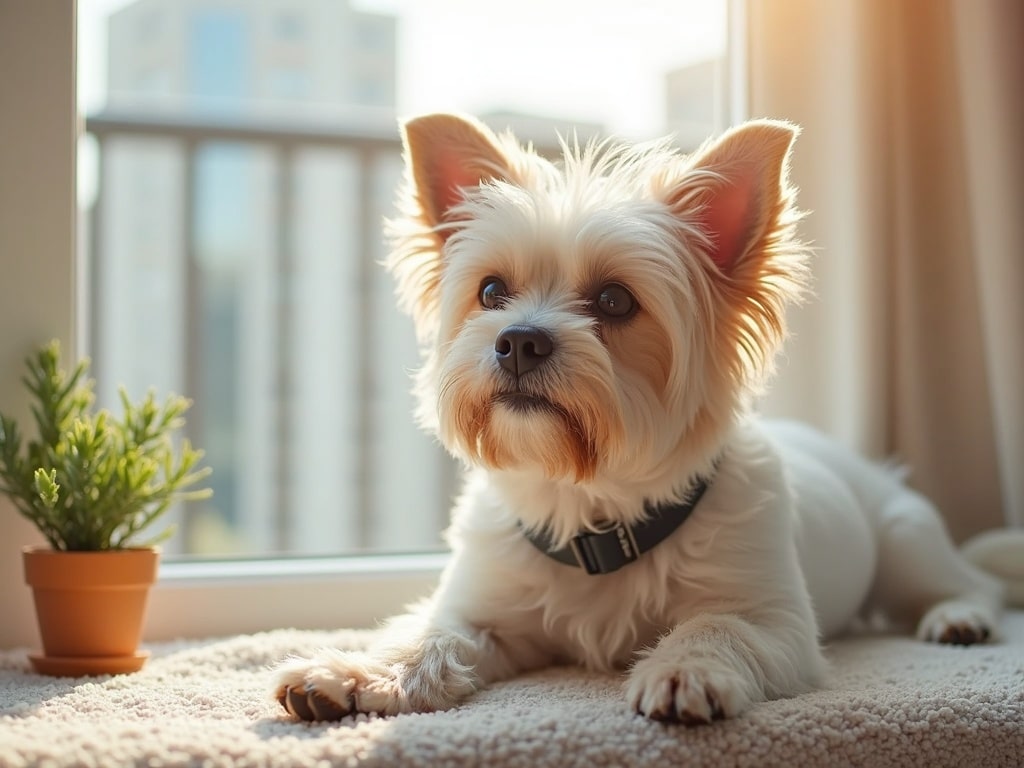
Creating a Comfortable and Safe Environment
Beyond physical barriers, several other factors contribute to a safe and enjoyable balcony experience for your small dog.
Choosing the Right Flooring
The balcony floor can present slipping hazards. Consider these solutions:
**Outdoor Rugs:These provide traction and comfort for your dog's paws. Choose rugs made of weather-resistant materials that are easy to clean.
**Interlocking Deck Tiles:These tiles offer a non-slip surface and can be easily installed and removed. They also provide better drainage, preventing water from accumulating on the balcony floor.
Protection from the Elements
Balconies can be exposed to harsh weather conditions. Provide your dog with shelter and protection:
**Shade:A shade sail, umbrella, or awning can provide much-needed relief from the sun, preventing heatstroke and sunburn.
**Water:Always have fresh, clean water available for your dog, especially during hot weather. A self-filling water bowl can be a convenient option.
**Shelter from Rain and Wind:A dog house or covered bed can provide protection from rain and wind. Ensure the shelter is properly ventilated to prevent overheating.
Plant Safety: Avoiding Toxic Hazards
Many common balcony plants are toxic to dogs. It's crucial to know which plants to avoid and take precautions to prevent your dog from ingesting harmful substances.
**Research Toxic Plants:Before adding any plants to your balcony, research whether they are toxic to dogs. The ASPCA website ([externalLink insert]) is a valuable resource for identifying poisonous plants.
**Keep Plants Out of Reach:Place plants on high shelves or hanging baskets where your dog cannot reach them.
**Use Natural Pest Control:Avoid using chemical pesticides or fertilizers that can be harmful to dogs. Opt for natural pest control methods instead.
Popular plants that are poisonous to dogs
Lilies
Oleander
Azaleas
Rhododendrons
Sago Palm
Essential Safety Rules and Training
Even with the best safety measures, it's essential to establish clear rules and train your dog to behave safely on the balcony.
**Supervise Your Dog:Never leave your dog unattended on the balcony, especially when they are first getting used to the space.
**Teach Basic Commands:Train your dog to respond to commands like stay, leave it, and come. These commands can be invaluable in preventing accidents.
**Discourage Jumping:If your dog shows a tendency to jump on the railings, discourage this behavior immediately. Use positive reinforcement to reward them for staying on the ground.
**Establish Boundaries:Clearly define the boundaries of the safe zone on your balcony. Use a physical barrier or visual cues to help your dog understand where they are allowed to go.
Balcony Maintenance: Regular Checks for Safety
Regular maintenance is crucial to ensure the ongoing safety of your balcony.
**Inspect Barriers Regularly:Check your balcony netting, railing extensions, or fencing for any signs of damage or wear and tear. Repair or replace any damaged components immediately.
**Clean Regularly:Keep the balcony floor clean and free of debris that could pose a slipping hazard.
**Secure Loose Objects:Secure any loose objects that could be knocked over or blown off the balcony, such as flower pots or furniture.
Breed-Specific Considerations
While all small dogs benefit from balcony safety measures, some breeds may require special considerations.
**Brachycephalic Breeds:Breeds with flat faces, such as Bulldogs and Pugs, are more susceptible to heatstroke. Provide ample shade and water, and limit their time on the balcony during hot weather.
**Breeds Prone to Jumping:Breeds like Jack Russell Terriers and Miniature Pinschers are natural jumpers. Ensure your balcony barriers are tall enough to prevent them from jumping over.
**Elderly Dogs:Senior dogs may have mobility issues and be more prone to slipping. Provide them with extra cushioning and support on the balcony.
Emergency Preparedness
Despite your best efforts, accidents can still happen. Be prepared for emergencies by:
**Knowing Your Vet's Contact Information:Keep your veterinarian's phone number readily available in case of an emergency.
**Having a Pet First-Aid Kit:Keep a pet first-aid kit on hand with essential supplies like bandages, antiseptic wipes, and pain relievers.
**Knowing CPR:Learn how to perform CPR on your dog in case of a respiratory emergency.
**Planning an Escape Route:In case of a fire or other emergency, have a plan for evacuating your dog from the balcony safely.
Enjoying Your Balcony Safely
Making your balcony safe for your small dog requires careful planning, attention to detail, and ongoing maintenance. By implementing these safety measures, you can create a comfortable and enjoyable space where you and your furry friend can relax and enjoy the outdoors without worry. Remember that responsible pet ownership includes providing a safe and secure environment for your beloved companion. So, take the time to assess your balcony, identify potential hazards, and implement the necessary safety precautions. Your small dog will thank you for it with endless cuddles and unwavering loyalty.