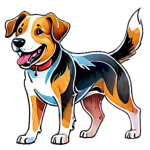
Unleash the Fun: Creating a Scavenger Hunt for Your Dog
Imagine the delight on your dog's face, their tail wagging furiously, nose twitching with anticipation as they embark on a thrilling adventure right in your own home or backyard. Forget the same old walks and fetch – we're talking about creating a scavenger hunt, a stimulating and enriching activity that taps into your dog's natural instincts and provides both mental and physical exercise. Ready to turn your furry friend into a super-sleuth? Let's dig in!
Why a Scavenger Hunt? The Benefits of Nose Work for Dogs
Beyond the sheer fun of it, a scavenger hunt offers a multitude of benefits for your canine companion. It's not just a game; it's a workout for their brain and body.
**Mental Stimulation:Sniffing is a dog's primary sense, and engaging it provides significant mental stimulation. A scavenger hunt challenges them to think, problem-solve, and use their natural abilities.
**Reduces Boredom and Destructive Behaviors:A bored dog is often a destructive dog. By providing an outlet for their energy and natural instincts, you can help prevent unwanted behaviors like excessive chewing or digging.
**Builds Confidence:As your dog successfully finds hidden treats, they gain confidence and a sense of accomplishment.
**Strengthens Your Bond:Participating in a scavenger hunt together strengthens the bond between you and your dog. It's a fun, interactive activity you can both enjoy.
**Tire Them Out (Even When Indoor!):A mentally tired dog is often a well-behaved dog. Scavenger hunts can be surprisingly tiring, especially on rainy days when you can't go for a long walk.
Planning Your Dog's Scavenger Hunt: A Step-by-Step Guide
Before you start hiding treats, take a moment to plan your scavenger hunt. This will ensure it's safe, fun, and appropriately challenging for your dog.
1. Assess Your Dog's Skill Level
Is your dog a seasoned sniffer or a complete novice? Start simple and gradually increase the difficulty as they get the hang of it. For beginners, use highly visible treats and easy hiding spots. For more experienced dogs, you can use smaller treats and more challenging hiding places.
2. Choose Your Location
You can create a scavenger hunt indoors or outdoors. Indoors is ideal for rainy days or for dogs who need a safe and controlled environment. Outdoors offers more space and opportunities for challenging hides. If outdoors, ensure your yard is secure and free of hazards like poisonous plants or sharp objects.
3. Select the Right Treats
The treats are the treasure! Choose treats that your dog loves and that are small enough to be easily hidden. Consider using high-value treats like small pieces of cheese, cooked chicken, or commercially available dog training treats. If your dog has allergies or sensitivities, be sure to choose appropriate treats.
4. Map Out Your Course (Optional)
For more complex scavenger hunts, you can create a map of the course. This will help you keep track of where you've hidden treats and ensure that your dog finds them all. You can even draw a simple map for yourself to follow.
5. Gather Your Supplies
In addition to treats, you may need other supplies, such as:
**A Leash:For dogs who are easily distracted or tend to wander.
**A Toy:To use as a reward or distraction (use to explore more fun dog toys).
**A Timer:To track how long it takes your dog to complete the hunt.
**A Whistle or Clicker:To provide positive reinforcement.
Hiding the Treasure: Creative Hiding Spots
Now comes the fun part: hiding the treats! Get creative with your hiding spots, but always prioritize safety.
Easy Hiding Spots (for Beginners):
Under a towel or blanket
Inside an empty box or container
On a low shelf or table
Behind a piece of furniture
In a dog bed or crate
More Challenging Hiding Spots (for Advanced Sniffers):
Inside a rolled-up towel or blanket
Under a potted plant (make sure the plant isn't toxic)
Inside a closed (but not latched) drawer or cabinet
Hidden among toys
Tucked into a shoe or boot
**Safety First!Avoid hiding treats in places that could be dangerous for your dog, such as near electrical cords, cleaning supplies, or sharp objects. Also, be mindful of choking hazards.

Let the Hunt Begin! Guiding Your Dog Through the Scavenger Hunt
Once you've hidden the treats, it's time to unleash your dog's inner detective!
1. Start with a Cue
Use a consistent cue word or phrase to signal the start of the hunt, such as Find it! or Go sniff!.
2. Encourage and Guide
Encourage your dog to sniff and explore. If they seem stuck, provide gentle guidance without giving away the hiding spot. You can point in the general direction or use verbal cues like Hotter! or Colder!.
3. Celebrate Success!
When your dog finds a treat, praise them enthusiastically! Use positive reinforcement like Good job! or Yes!. You can also offer a toy or a cuddle as a reward.
4. Gradually Increase the Difficulty
As your dog becomes more proficient, gradually increase the difficulty of the scavenger hunt by using more challenging hiding spots, smaller treats, or a larger search area.
5. Keep it Fun!
The most important thing is to keep the scavenger hunt fun and engaging for your dog. If they seem frustrated or bored, make it easier or take a break. Remember, the goal is to provide mental stimulation and strengthen your bond.
Scavenger Hunt Variations: Keeping it Fresh and Exciting
To keep your dog engaged and prevent boredom, try these variations:
**The Puzzle Toy Scavenger Hunt:Place puzzle toys around the search area, each containing a treat. This adds an extra layer of challenge and mental stimulation.
**The Scent Discrimination Scavenger Hunt:Use different scents (like essential oils or spices) to mark the hiding spots. This requires your dog to use their nose to distinguish between different scents.
**The Obstacle Course Scavenger Hunt:Combine the scavenger hunt with an obstacle course. This provides both mental and physical exercise.
**The Find the Person Scavenger Hunt:Hide a person (friend or family member) in the search area and have your dog find them. Reward them with praise and a treat when they succeed.
**The Food Bowl Game:Instead of using treats, hide portions of your dog's regular food. This can help slow down fast eaters and make mealtimes more engaging.
Adapting the Scavenger Hunt for Different Dogs
Every dog is unique, so it's important to adapt the scavenger hunt to suit their individual needs and abilities.
**For Senior Dogs:Keep the hiding spots easy to reach and avoid obstacles that could be difficult to navigate.
**For Puppies:Supervise puppies closely during the scavenger hunt to prevent them from getting into anything dangerous. Use puppy-safe treats and avoid hiding them in places that could be harmful.
**For Dogs with Disabilities:Adapt the scavenger hunt to accommodate any physical limitations. For example, you could raise the hiding spots for dogs with limited mobility or use scented markers for blind dogs.
**For Anxious Dogs:Start with short, simple scavenger hunts in a familiar environment. Gradually increase the difficulty and duration as your dog becomes more comfortable.
**For Multi-Dog Households:Supervise the scavenger hunt closely to prevent competition or conflict between dogs. You may need to separate the dogs or take turns allowing them to participate.
Troubleshooting Common Issues
Even with careful planning, you may encounter some challenges during your dog's scavenger hunt. Here are some common issues and how to address them:
**Dog Can't Find the Treats:Make the hiding spots easier or provide more guidance. Use higher-value treats or increase the size of the treats.
**Dog Loses Interest:Keep the scavenger hunts short and engaging. Try a different variation or use more exciting treats.
**Dog Eats Too Many Treats:Use small treats or portions of their regular food. Monitor their treat intake and adjust accordingly.
**Dog Becomes Destructive:Ensure the hiding spots are safe and that your dog is not chewing or digging in inappropriate places. Supervise them closely and redirect their behavior if necessary.
**Dog Starts Begging:Avoid giving treats outside of the scavenger hunt. Be consistent with your rules and boundaries.
Beyond the Backyard: Advanced Scavenger Hunt Ideas
Once your dog has mastered the basics, you can take their scavenger hunt skills to the next level with these advanced ideas:
**Urban Scavenger Hunt:Create a scavenger hunt in a safe, dog-friendly urban environment. This could involve finding specific landmarks, sniffing out hidden objects, or completing simple tasks. Before planning, make sure where you are going permits dogs on the premises by checking [externalLink insert].
**Hiking Scavenger Hunt:Combine a hike with a scavenger hunt. Hide treats along the trail and let your dog sniff them out. Be sure to follow Leave No Trace principles and pack out any trash.
**GPS Scavenger Hunt:Use a GPS device to create a virtual scavenger hunt. Your dog can follow the GPS coordinates to find hidden treasures.
**Scent Work Classes:Enroll in a scent work class to learn more advanced techniques for training your dog to use their nose.
The Joy of Discovery: A Lasting Bond
Creating a scavenger hunt for your dog is more than just a game; it's an opportunity to connect with your furry friend, stimulate their mind, and strengthen your bond. It's about watching their eyes light up with excitement as they embark on a thrilling adventure, their tail wagging with pure joy. So, grab some treats, get creative, and unleash the fun! Your dog will thank you for it.