What to Put in a Dog Puzzle Toy: A Guide to Engaging and Enriching Your Pup
Ever watched your dog stare blankly at a wall, seemingly bored out of their skull? Or perhaps they've developed a sudden, intense interest in chewing your favorite shoes? The solution might be simpler (and tastier!) than you think: dog puzzle toys. But the real magic lies in knowing exactly what to put in them to keep your furry friend mentally stimulated and happily occupied.
Why Dog Puzzle Toys Are More Than Just Fun
Before we dive into the delicious details of fillings, let's appreciate why puzzle toys are a canine game-changer. These aren't just about dispensing treats; they tap into your dog's natural instincts. Think about it: wild dogs spend a significant amount of time foraging and hunting for food. Puzzle toys mimic this behavior, providing:
- Mental Stimulation: Solving puzzles keeps their minds sharp and prevents boredom, a major cause of destructive behavior.
- Slower Eating: For pups who inhale their food, puzzle toys can slow down meal times, aiding digestion and preventing bloat.
- Reduced Anxiety: The focused activity can help alleviate anxiety and stress, particularly in dogs prone to separation anxiety.
- Problem-Solving Skills: Regular use enhances their cognitive abilities and problem-solving skills.
- Plain Fun! Ultimately, it's an engaging and enjoyable activity for your dog.
The Ultimate Guide to Puzzle Toy Fillings
Now for the good stuff! The possibilities for puzzle toy fillings are practically endless, limited only by your imagination (and your dog's dietary needs, of course). Here’s a breakdown of ideas, categorized for your convenience:
Dry Food Delights
Kibble is the obvious starting point, but let's elevate it:
- Mix it Up: Combine different kibble sizes and shapes to increase the challenge.
- Frozen Kibble: Soak kibble in water or broth and freeze it in the puzzle toy for a longer-lasting treat. Great for hot days!
- The Stinky Strategy: Mix in a small amount of something extra pungent like dried fish skins or a sprinkle of parmesan cheese to make the kibble more enticing.
Wet Food Wonders
Wet food adds another layer of texture and flavor:
- Pureed Perfection: Plain, unsweetened applesauce, pumpkin puree (not pie filling!), or blended sweet potatoes are healthy and delicious options.
- Wet Food Cocktail: Mix wet food with a little plain yogurt or cottage cheese for a creamy, protein-packed treat.
- Freezing Fun: Similar to kibble, freezing wet food in the puzzle toy extends the playtime and provides a cooling sensation.
Protein Powerhouses
For the meat-loving canine, protein is key:
- Cooked Chicken or Turkey: Shredded or diced, cooked chicken or turkey is a lean and palatable option. Ensure it's plain, with no seasonings or bones.
- Plain Greek Yogurt: A great source of protein and probiotics, plain Greek yogurt is easily digestible for most dogs.
- Peanut Butter (xylitol-free!): A classic favorite, but always check the label to ensure it contains no xylitol, which is highly toxic to dogs. Use sparingly due to its high fat content.
- Cooked Eggs: Scrambled or hard-boiled, cooked eggs are a nutritional powerhouse.
Fruity & Veggie Ventures
Don't underestimate the appeal of fruits and vegetables!
- Blueberries: These small, antioxidant-rich berries are a healthy and tasty treat.
- Carrot Sticks or Pieces: Crunchy and low-calorie, carrots are a great option for weight-conscious pups.
- Apple Slices (no core or seeds!): Apples are a good source of fiber and vitamins.
- Green Beans: Steamed or raw, green beans are a healthy and low-calorie option.
- Banana: Mashed or sliced, bananas are a good source of potassium. Use in moderation due to their high sugar content.
DIY Treat Mixes
Get creative and concoct your own treat mixes! Here are some ideas:
- The Everything But the Kitchen Sink Mix: Combine a small amount of kibble, shredded chicken, chopped veggies, and a dollop of yogurt.
- The Frozen Smoothie: Blend together fruits, veggies, yogurt, and a little water or broth, then freeze in the puzzle toy.
- The Deconstructed Dinner: If you feed your dog a raw or homemade diet, use components of their regular meal to fill the puzzle toy.
Safety First: Important Considerations
While puzzle toys are generally safe, it's crucial to keep these points in mind:
- Supervise, Supervise, Supervise: Always supervise your dog when they're playing with a puzzle toy, especially when introducing a new one. This allows you to ensure they aren't chewing off and swallowing pieces, and that they don't get frustrated.
- Choose the Right Size and Durability: Select a puzzle toy that's appropriately sized for your dog and made of durable, non-toxic materials. Avoid toys with small parts that could be easily swallowed.
- Consider Allergies and Sensitivities: Be mindful of any allergies or sensitivities your dog may have when choosing fillings. When in doubt, consult with your veterinarian.
- Start Simple: Begin with easier puzzles and gradually increase the difficulty as your dog gets the hang of it.
- Clean Regularly: Wash puzzle toys regularly to prevent the buildup of bacteria and food residue.
- Xylitol Awareness: Double check that all your fillings, especially peanut butter, DO NOT contain xylitol. This is extremely poisonous to dogs.
Matching the Filling to the Puzzle
The type of puzzle toy also influences what you can put inside. Here are a few examples:
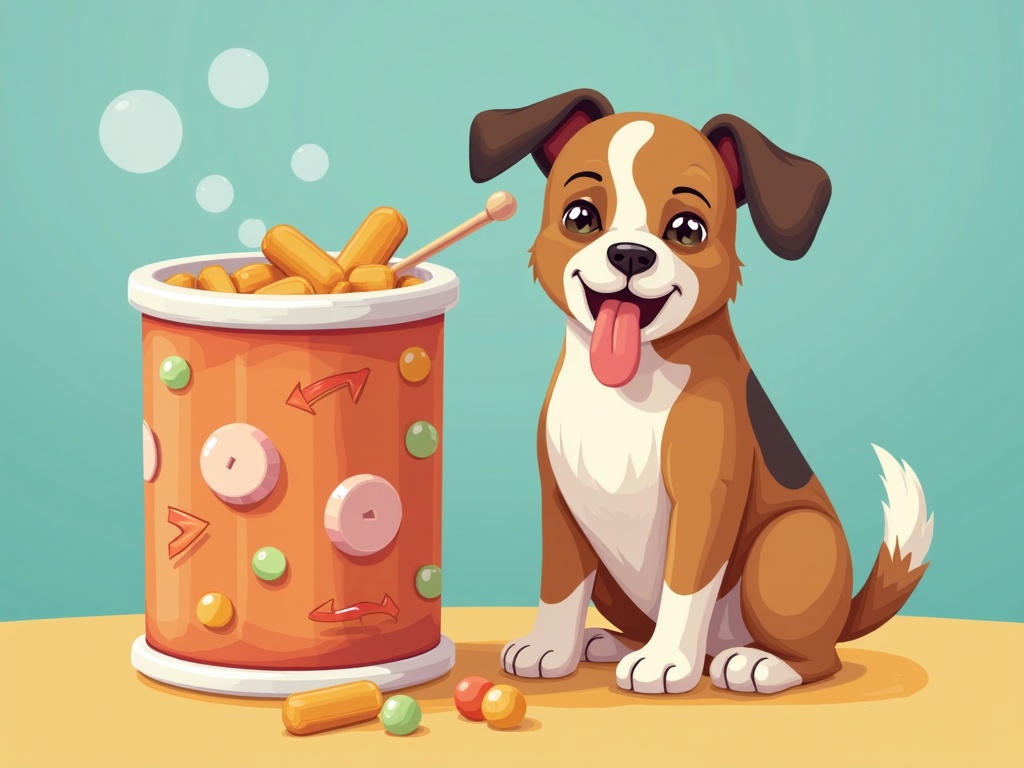
- Rolling Treat Dispenser: This is great for dry kibble, small treats, or even a mix of both.
- Hide-and-Seek Puzzles: These often involve hiding treats under cups or in compartments. Small, high-value treats like freeze-dried liver or bits of cheese work well.
- Lickable Mats: These are perfect for spreading wet food, yogurt, or peanut butter.
- Freezable Puzzles: These are designed for freezing wet food, purees, or even broth.
Advanced Puzzle Strategies
Ready to take your puzzle game to the next level? Try these advanced strategies:
- Layering: Alternate different types of fillings to keep your dog guessing. For example, layer kibble, then a smear of peanut butter, then more kibble.
- The Jackpot Approach: Place a very high-value treat, like a piece of cooked steak or a favorite toy, at the very bottom of the puzzle to reward them for their persistence.
- Scent Training Integration: Incorporate scent training by hiding a specific scent, like a cotton ball with a drop of essential oil (safe for dogs!), within the puzzle.
- Rotation is Key: Keep your dog from getting bored by rotating puzzle toys. Bring out a different one each day or week.
Decoding Your Dog's Puzzle Preferences
Pay attention to your dog's behavior and preferences when they're working on a puzzle. Do they seem frustrated or engaged? Do they prefer certain types of fillings over others? This will help you tailor the puzzle experience to their individual needs and preferences.
When to Seek Professional Advice
If your dog shows signs of extreme frustration, aggression, or disinterest when using puzzle toys, consult with a veterinarian or a certified professional dog trainer. They can help you identify any underlying issues and develop a safe and effective enrichment plan.
Beyond the Puzzle: Holistic Enrichment
Remember, puzzle toys are just one piece of the puzzle (pun intended!) when it comes to enriching your dog's life. Provide them with plenty of exercise, socialization, training, and, of course, lots of love and attention. Check out enrichmentideas.com for more ideas.
Final Thoughts: A World of Paw-sibilities
Dog puzzle toys are more than just a way to keep your pup busy; they're an investment in their mental and emotional well-being. By understanding your dog's individual needs and preferences, and by getting creative with fillings and strategies, you can unlock a world of paw-sibilities and create a happier, healthier, and more engaged canine companion.